Non-woven bags are used far beyond supermarket checkouts. Because spunbond polypropylene is light, breathable, printable and easy to weld or sew into custom gusset sizes, businesses use it across 16 everyday commercial roles—from wide-base takeout carriers and foil-lined cold-chain bags to shoe dust pouches, hotel laundry sacks and nursery grow bags.
Quick Spec Finder: Match Your Industry to a Bag Structure
Pick any of the 16 commercial uses in the selector below to see the usual bag silhouette, GSM range, seam build and design notes, then send the spec straight to the quote form at the bottom of the page.
Industry Bag Selector: Pick a Use Case
Pick how the bag will be used to see the usual bag style, GSM range, seam choice and starting MOQ.

How Do Retailers and Fashion Brands Use Non-Woven Bags? (Uses 1–4)
Retailers pick custom non-woven bags around counter speed, shelf footprint and how often customers reuse the bag outdoors:
- Supermarket checkout totes: Full-gusset box non-woven bags in 80–100 GSM stand upright on conveyor belts and hold heavy cans and produce; adding a rigid base insert keeps the bottom flat.
- Apparel & boutique shoppers: Flat or bottom-gusset custom non-woven tote bags in 70–80 GSM with 60–65 cm shoulder straps carry knitwear and shoe boxes comfortably without creasing garments.
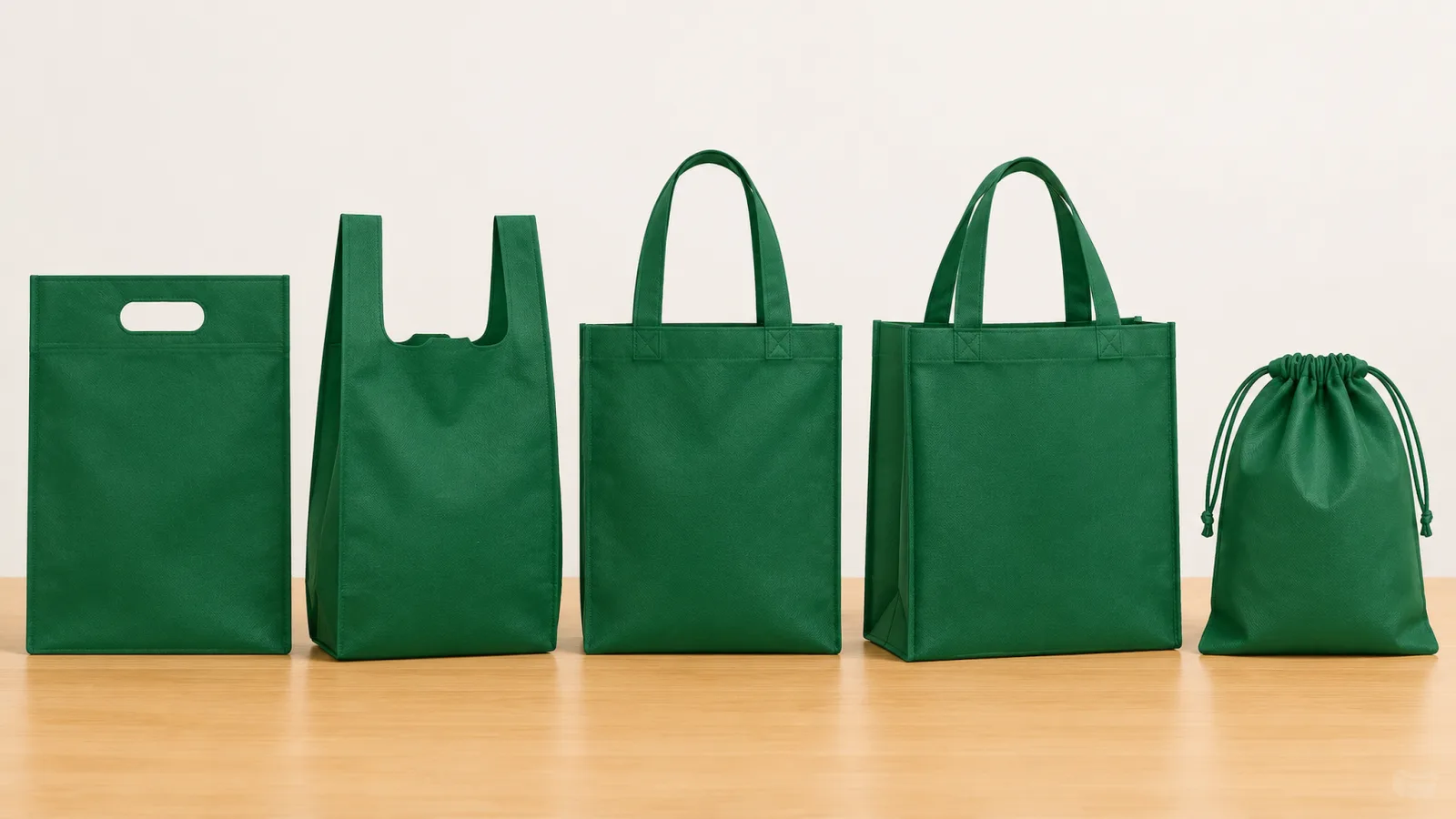
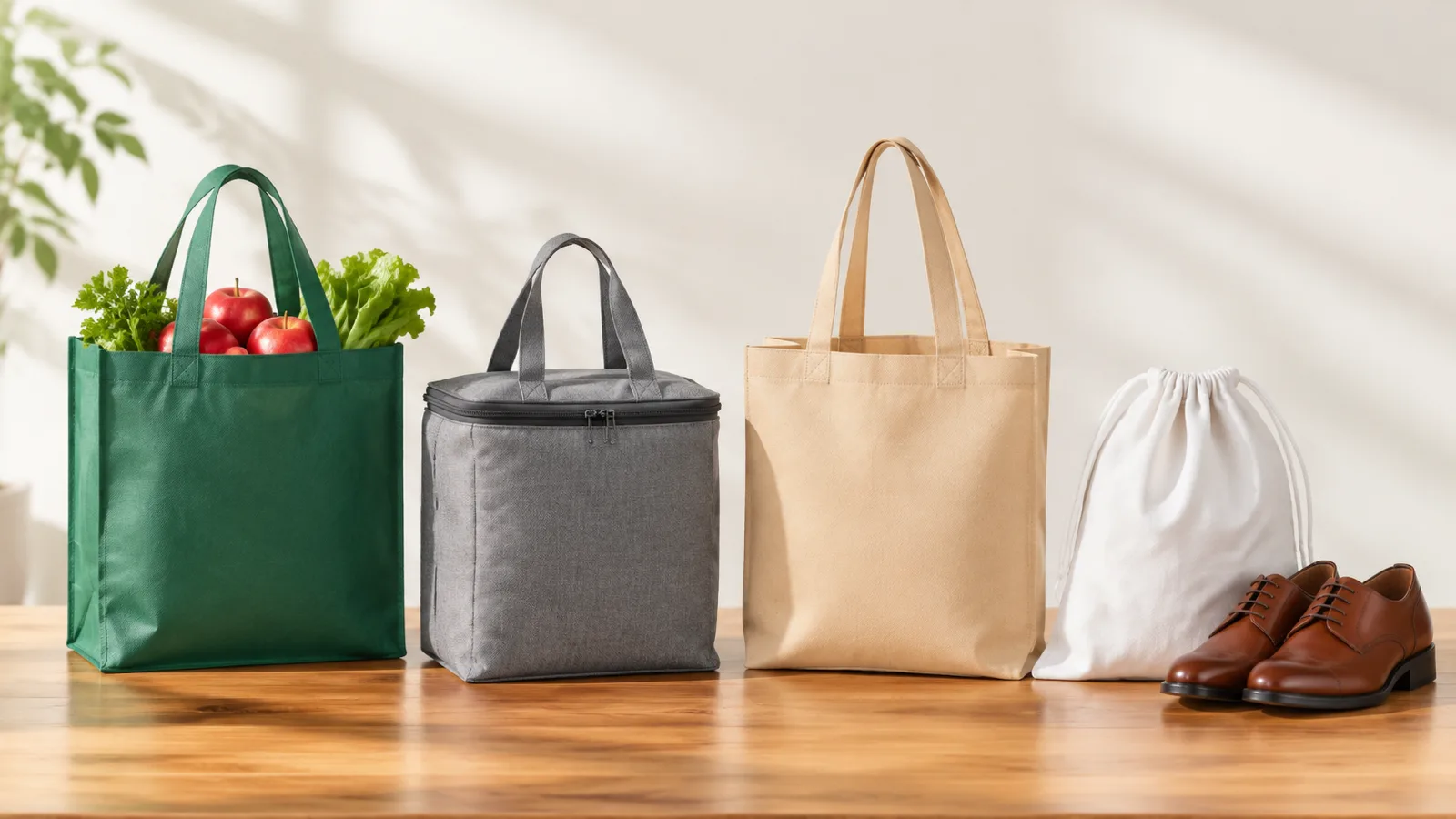
- Footwear & leather dust covers: Soft 40–60 GSM drawstring pouches let air circulate inside shoe and handbag cartons during ocean transit while keeping scuffs and dust off leather finishes.
- Pharmacies, bookstores & gift shops: Flat D-cut ultrasonic non-woven bags in 60–70 GSM stack thin under tight cash wraps for books, cosmetics and boxed prescriptions.
How Are Non-Woven Bags Built for Takeout, Cold-Chain and Bottle Carry? (Uses 5–8)
Foodservice and beverage packaging depends on base geometry and internal partitions rather than bag height alone:
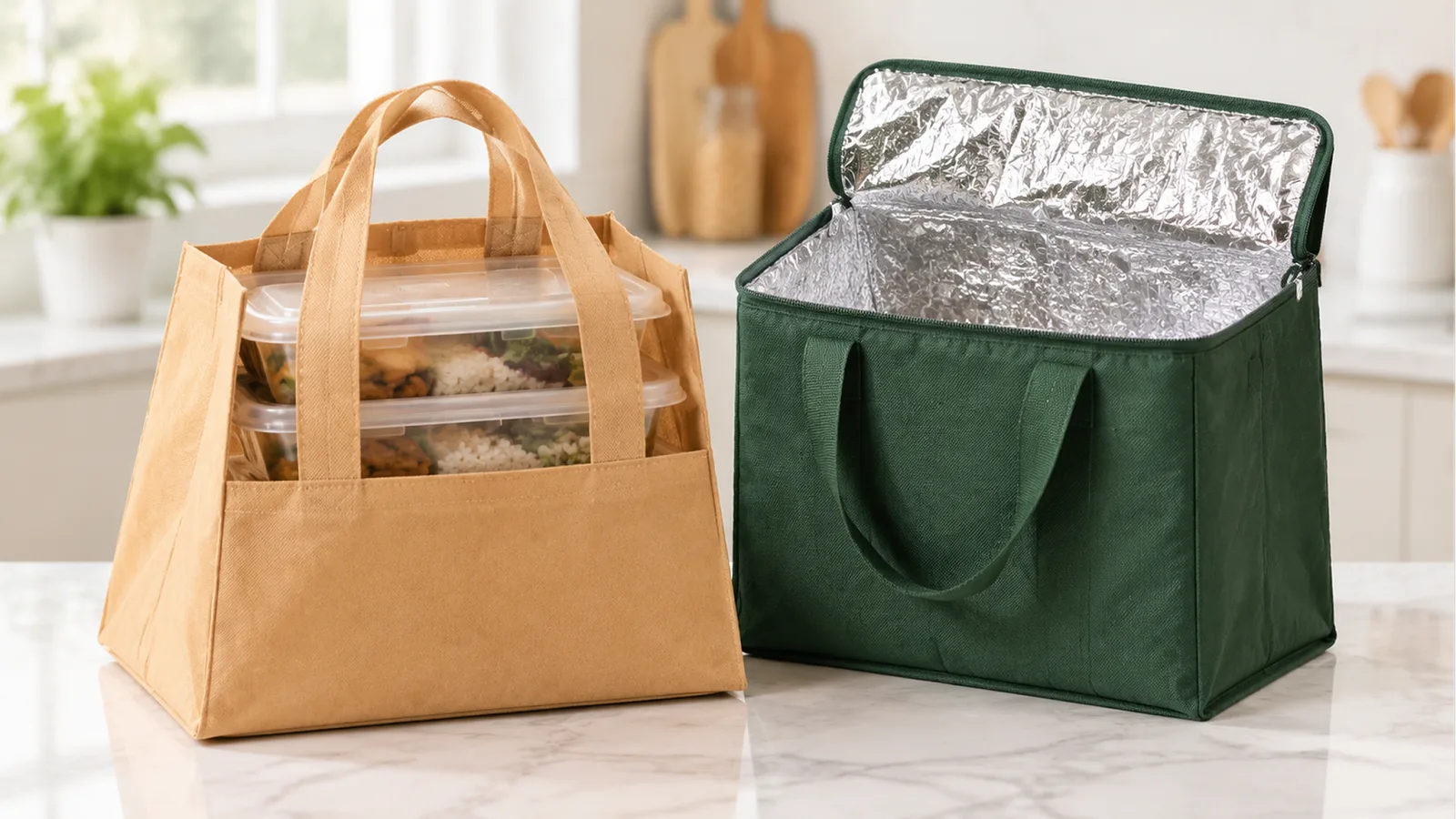
- Restaurant takeout & catering totes: Extra-wide bottom gussets (20–26 cm) let stacked meal prep boxes and soup bowls sit completely level on delivery bikes instead of tipping sideways.
- Chilled grocery & seafood delivery: Insulated non-woven bags pair an 80–100 GSM outer shell with EPE foam, reflective foil or PEVA lining and a zippered lid; always test holding time with your own ice packs on a sample route.
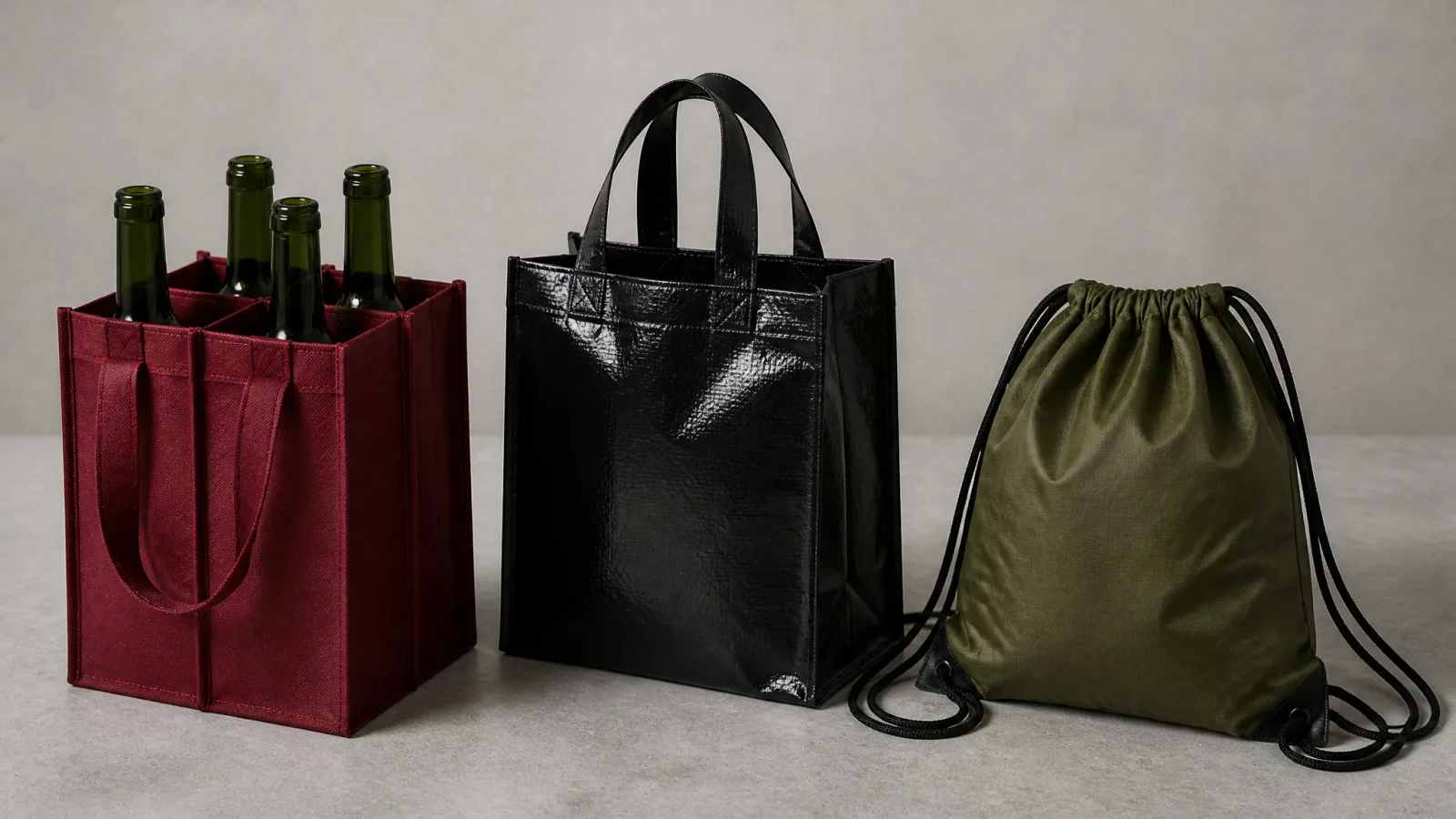
- Wine, spirits & craft beer carriers: Sewn 2-, 4- or 6-cell internal dividers in 100–120 GSM totes stop glass bottles clinking together, paired with X-box stitched handles for concentrated weight.
- Bakery & cake-box carriers: Square-base ultrasonic or stitched totes cut to match 6-inch to 10-inch cake cartons keep frosted boxes horizontal from counter to car.
Note on food regulations: non-woven carrier bags normally hold sealed primary containers rather than loose unpackaged food. If your target market requires material test reports (for example against US or EU food-contact frameworks), state the destination country when quoting so fabric and lining options can be confirmed up front.
Why Do Trade Shows, Campuses and Events Rely on Non-Woven Totes? (Uses 9–12)
In events and promotions, a bag earns its budget by staying comfortable on a visitor's shoulder all day and going home for repeat errands:
- Trade shows & conference totes: A4/catalogue-sized shoulder totes in 70–80 GSM hold brochures, samples and water bottles without slicing into hands the way thin die-cut film bags do.
- University & orientation book bags: Reinforced 80–100 GSM totes (or foldable non-woven bags for student welcome packs) carry heavy textbooks and laptops across campus all term.
- Marathons, gyms & race kits: Lightweight 70–80 GSM drawstring cinch backpacks with reinforced corner eyelets give runners a hands-free gear bag at a fraction of woven nylon cost.
- Corporate VIP hampers & retail gift sets: Laminated non-woven bags (or rPET non-woven bags when a recycled-fibre story is needed) deliver crisp matte or gloss photo artwork for holiday and PR kits.
Where Else Does Breathable Spunbond PP Solve Packaging Problems? (Uses 13–16)
Because spunbond PP lets air and water vapour pass through while resisting tearing when damp (see pros and cons of non-woven bags), four non-retail sectors use it heavily:
- Hotel guest laundry bags: Breathable 50–60 GSM drawstring bags placed inroom wardrobes keep damp gym wear from smelling musty before housekeeping pickup.
- Clinic & outpatient discharge bags: Clean, lint-free 60–70 GSM ultrasonic totes organize medication boxes, care sheets and follow-up kits neatly for departing patients.
- Seasonal bedding & wardrobe organisers: Zippered 90–110 GSM storage cubes with clear viewing windows keep dust off winter quilts and coats while letting fabric breathe under beds.
- Nursery & horticulture grow bags: Permeable non-woven planter pouches let excess irrigation water drain freely and air-prune sapling roots before field transplanting.
Summary Table: GSM, Seam Build, MOQ and Cost Tier Across All 16 Uses
Use this reference table alongside our GSM selection guide and bag style comparison to shortlist specs for your RFQ:
| # & Use case | Usual bag style | Typical GSM | Seam / handle build | Typical MOQ | Relative cost |
|---|---|---|---|---|---|
| 1. Supermarket grocery | 3D box tote | 80–100 GSM | Ultrasonic box or sewn X-stitch | 1,000 (3,000 ultrasonic) | Mid |
| 2. Apparel boutique | Shoulder shopper tote | 70–80 GSM | Ultrasonic or sewn loop | 1,000 (3,000 ultrasonic) | Low–Mid |
| 3. Shoe & leather dust bag | Drawstring pouch | 40–60 GSM | Welded/sewn + cord channel | 1,000 pcs | Low |
| 4. Pharmacy & bookstore | Flat D-cut bag | 60–70 GSM | Automated ultrasonic | 3,000 pcs | Lowest |
| 5. Restaurant takeout | Wide-gusset box bag | 80–90 GSM | Ultrasonic 3D box weld | 3,000 pcs (1,000 sewn) | Low–Mid |
| 6. Cold-chain & seafood | Zippered cooler tote | 80–100 GSM + foam/foil | Bound sewn seams | 1,000 pcs | High |
| 7. Wine & bottle carrier | 2/4/6-cell divided tote | 100–120 GSM | Sewn partitions + X-stitch | 1,000 pcs | Mid–High |
| 8. Bakery & cake box | Square-bottom tote | 80–90 GSM | Ultrasonic box or sewn | 1,000 (3,000 ultrasonic) | Low–Mid |
| 9. Trade show & expo | A4 shoulder tote | 70–80 GSM | Ultrasonic or stitched | 1,000 (3,000 ultrasonic) | Low |
| 10. Campus bookstore | Reinforced tote / foldable | 80–100 GSM | X-box stitched handles | 1,000 pcs | Mid |
| 11. Marathon & gym pack | Drawstring cinch pack | 70–80 GSM | Welded/sewn + corner eyelets | 1,000 pcs | Low–Mid |
| 12. Corporate VIP gift | BOPP laminated tote | 80–120 GSM + film | Bound sewn + webbing handles | 1,000 pcs | Mid–High |
| 13. Hotel guest laundry | Vertical cinch sack | 50–60 GSM | Ultrasonic side weld + cord | 1,000–3,000 pcs | Low |
| 14. Clinic patient bag | D-cut or loop tote | 60–70 GSM | Ultrasonic weld | 3,000 pcs | Lowest–Low |
| 15. Bedding & closet cube | Zippered window bag | 90–110 GSM | Bound sewn + side handles | 1,000 pcs | Mid–High |
| 16. Nursery grow bag | Permeable planter bag | 40–80 GSM (UV option) | Sewn or welded drainage seams | 1,000–3,000 pcs | Low |
How to Order Custom Non-Woven Bags for Your Sector
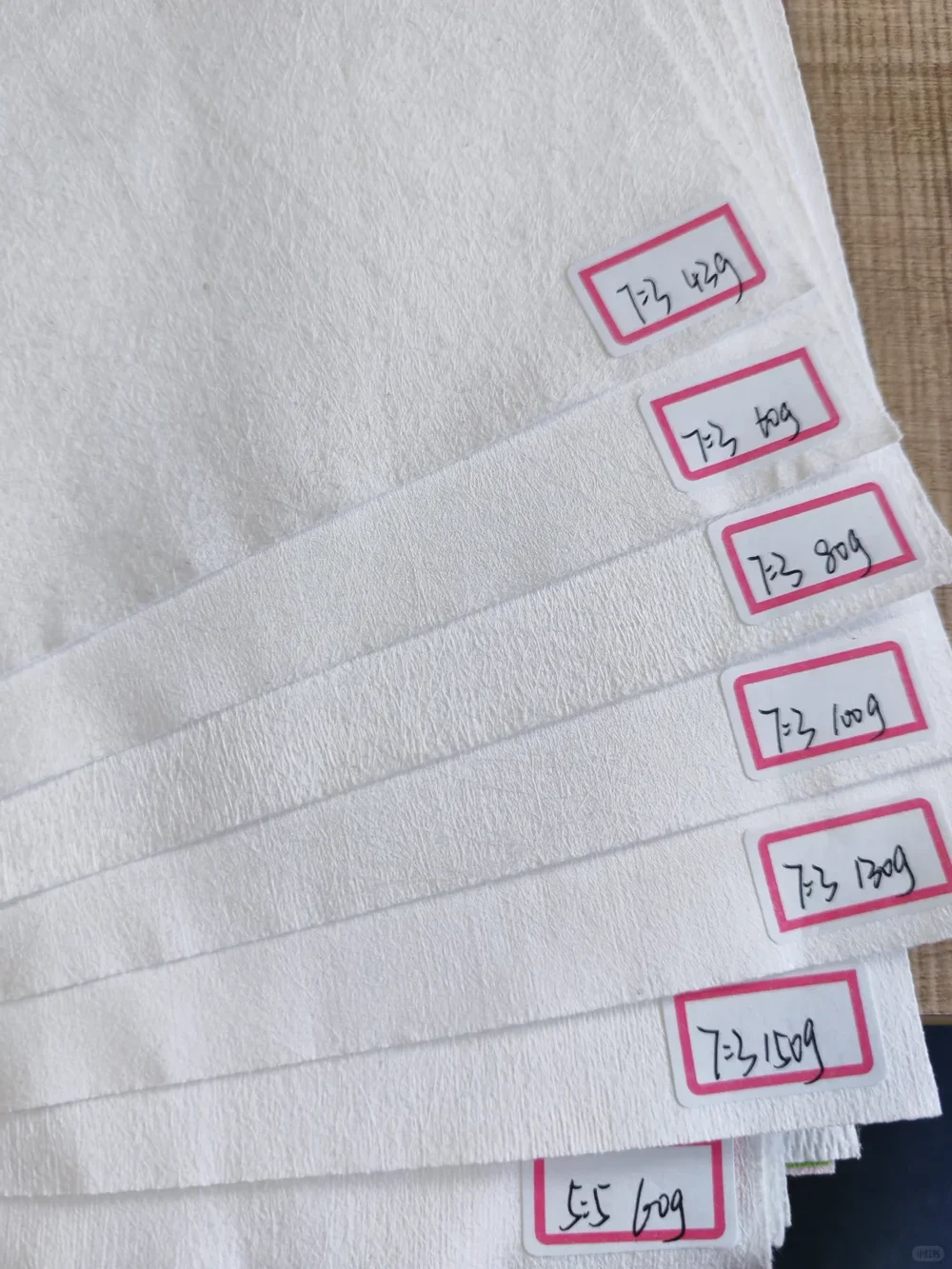
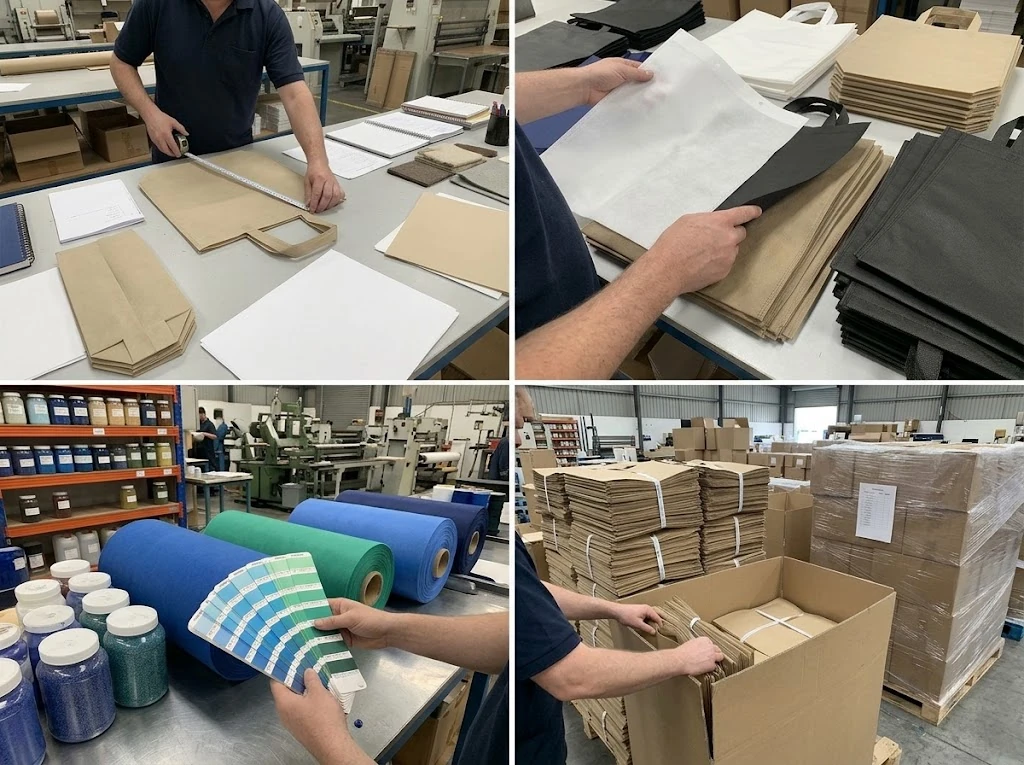
At EcoLeaderPack, we produce sewn and ultrasonic non-woven bags directly in 60 to 120 GSM (plus lighter dust-cover weights and insulated/laminated builds). Before approving bulk runs, review our non-woven bag buying guide so your purchase order locks down GSM, colour and handle strength.
- MOQ: 1,000 pcs for most sewn, laminated, insulated and drawstring styles; 3,000 pcs for automated ultrasonic bags (5,000 pcs for W-cut vest bags).
- Pre-production samples: 5 to 7 days.
- Mass production: 7 to 15 days after sample approval.
Tell us what goes inside the bag, its dimensions and your target quantity below, or reach us directly on WhatsApp (+86 155 2109 3069).
Sources
- EDANA, What are nonwovens?
- UK Environment Agency (2011), Life cycle assessment of supermarket carrier bags
- ASTM International, ASTM D3776 Mass Per Unit Area (Weight) of Fabric
- ASTM International, ASTM D5034 Breaking Strength and Elongation of Textile Fabrics (Grab Test)
Request a Quote and Samples
Tell us the bag style, size, GSM and quantity. We will reply with a quote and sample options.