When evaluating reusable shopping bags and custom shopping bags, retail buyers frequently weigh the difference between woven and non woven bags. Single-use plastic film is banned or taxed, woven cotton canvas costs $1.50 to $3.50+ each, and paper bags rip when carrying cold or wet items. Nonwoven polypropylene bags (often commercially called non woven cloth bags or non-woven tote bags) fill that critical gap at $0.18 to $0.45 per bag, holding 10 to 15 kg without tearing and getting reused dozens of times. Here is an honest, practical buyer's guide to their genuine advantages, real limitations, and when you should choose another packaging material.
The 5 Biggest Pros of Non-Woven Bags
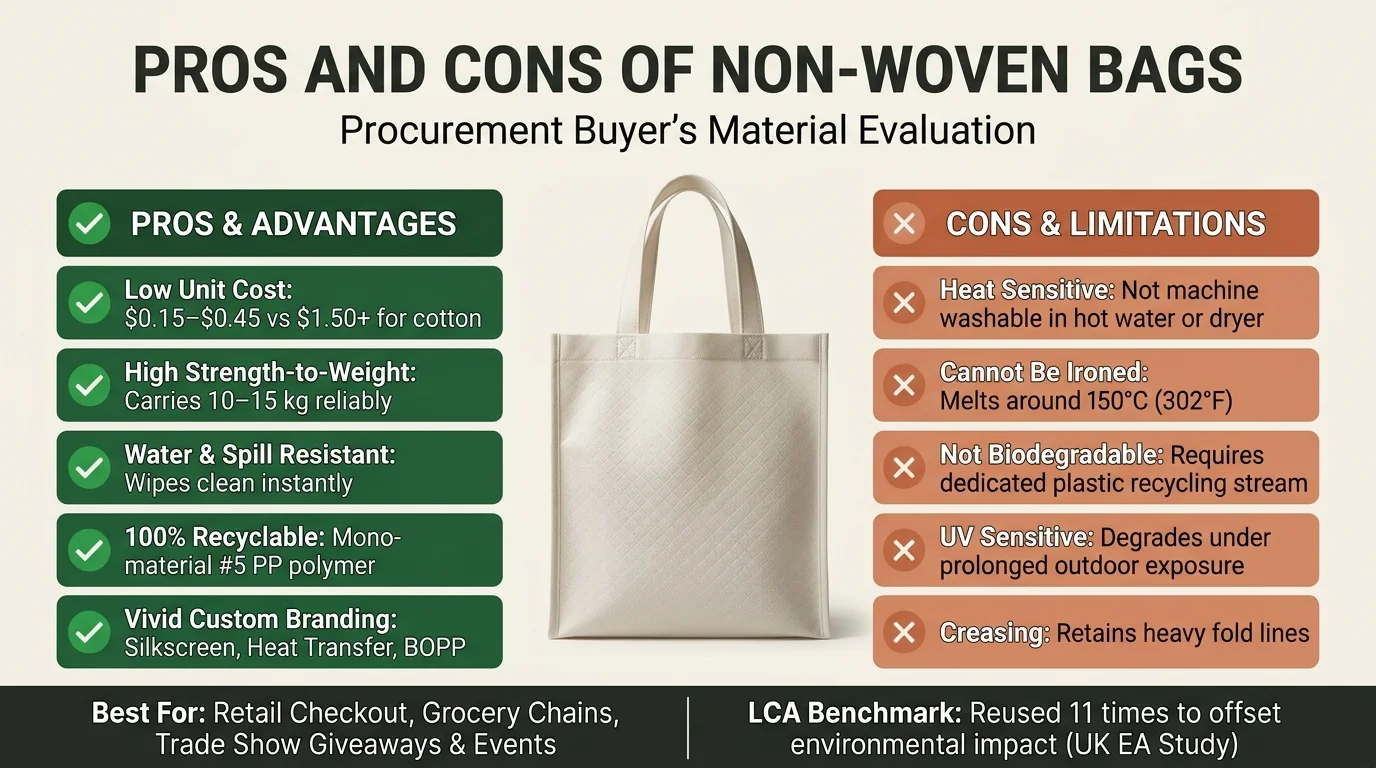
1. Unbeatable Value: Strength Without the Canvas Price Tag
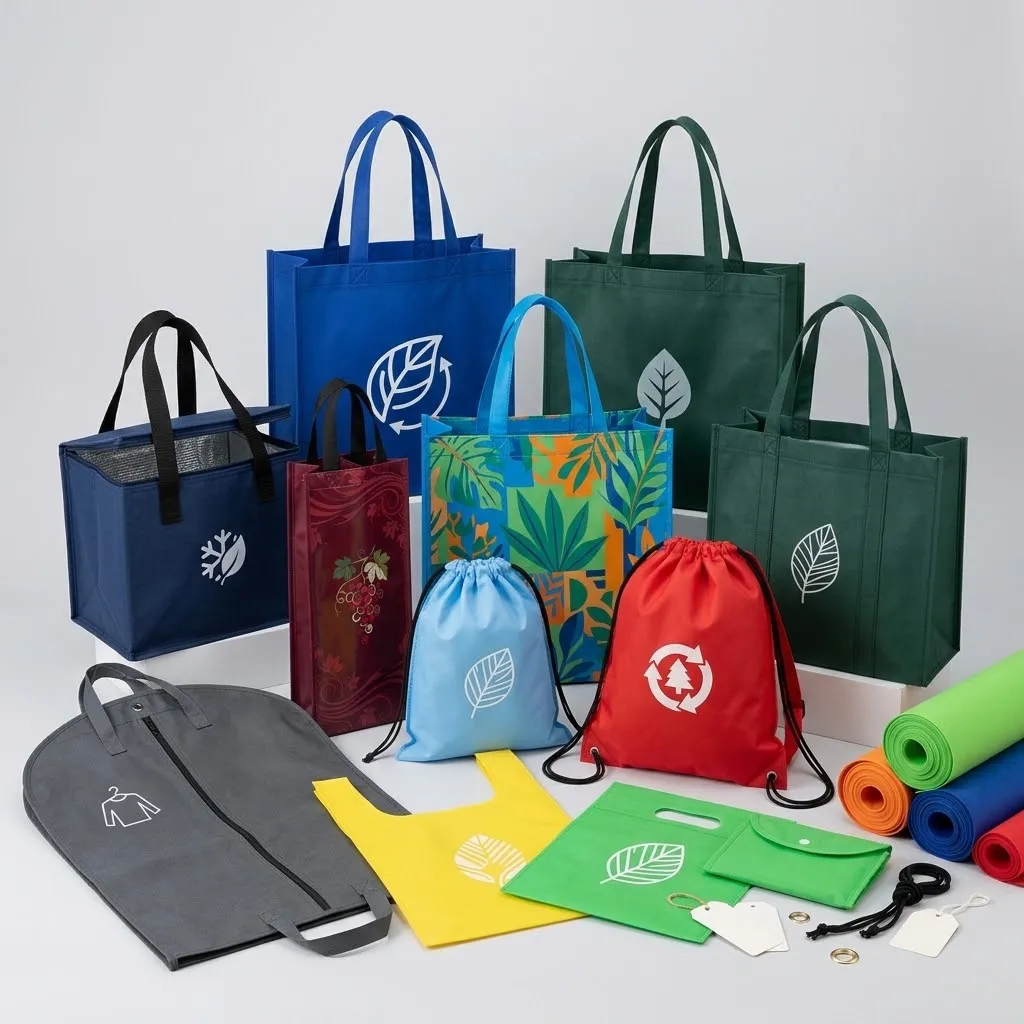
The primary advantage of nonwoven polypropylene bags and commercial non woven carry bags is their outstanding strength-to-cost ratio. Made from spunbond polypropylene bonded by heat and pressure rather than traditional weaving, automated manufacturing keeps bulk factory costs down to just $0.22 to $0.35 for a standard 80 GSM grocery tote.
That same lightweight bag reliably carries 10 to 12 kg (22 to 26 lbs) without handle failure, meeting New York 6 NYCRR 351-1.2 reusable bag standards under ASTM D5034 grab tensile testing. By comparison, an equivalent woven cotton canvas tote costs $1.80 to $3.00+, while paper bags tear easily under moist or heavy loads.
For supermarkets, retail brands, and event planners on fixed budgets, non-woven tote bags provide genuine multi-use durability at disposable-level economics.
2. Water and Spill Resistance for Food & Retail
Polypropylene is naturally hydrophobic and completely waterproof. When cold beverages sweat, frozen items thaw, or shoppers walk through rain, a non woven fabric bag does not soften, weaken, or blow out at the bottom like paper bags do.
Any accidental spills inside the tote can simply be wiped clean with a damp cloth or disinfectant wipe. For grocery markets, food delivery, and refrigerated retail goods, this moisture barrier protects both the merchandise and the customer's vehicle.
3. Lightweight, Structured, and Space-Saving
Unlike flimsy plastic film bags that collapse flat, a structured non woven shopping tote or box bag has natural fabric stiffness. It stands upright on the checkout counter with its mouth open, allowing cashiers and shoppers to pack items quickly with both hands.
They also pack flat and compact in storage. A carton of 500 folded non-woven bags weighs under 28 kg and takes minimal backroom space. In ocean shipping, 50,000 non-woven bags take up less than one-third of the freight volume (CBM) of canvas bags, slashing international shipping overhead.
4. Versatile Printing and Vibrant Brand Exposure
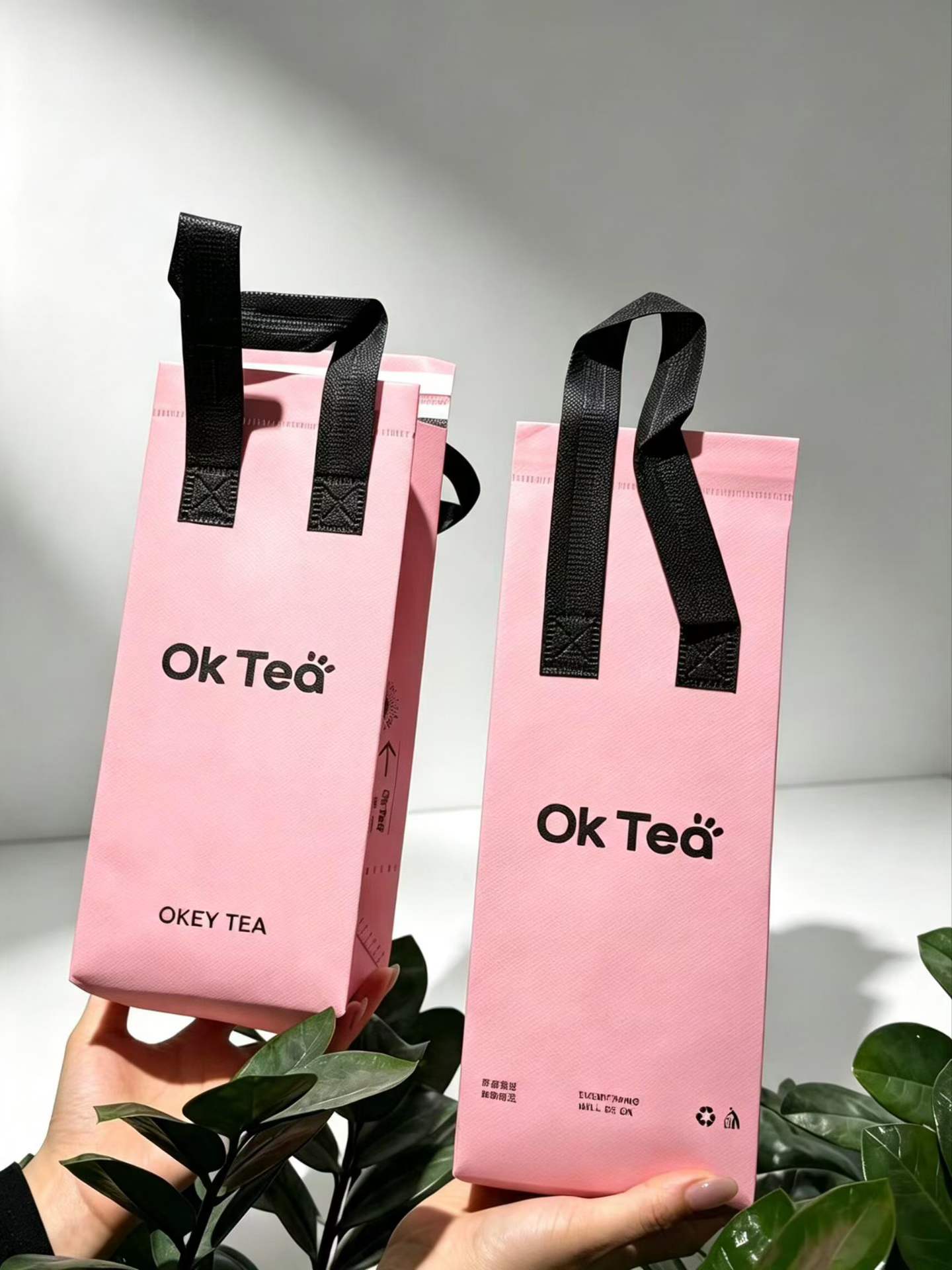
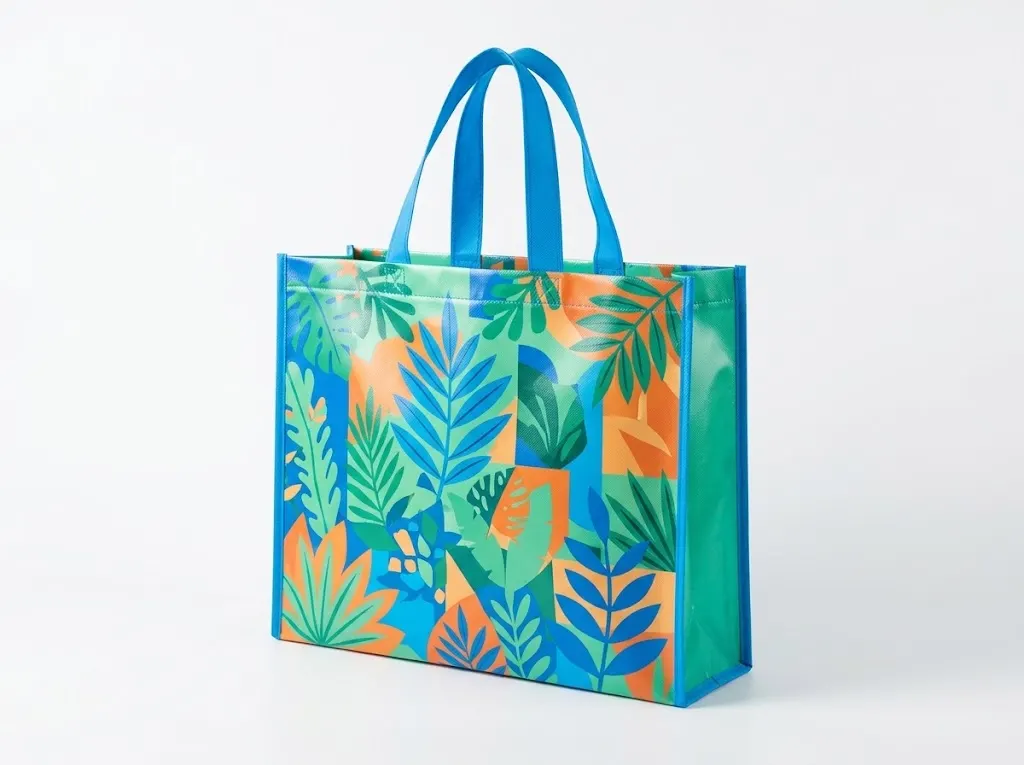
For brand managers designing eco friendly tote bags, non-woven fabric supports versatile branding methods tailored to order volumes: economical 1–3 color screen printing for simple logos (1,000+ pcs), vibrant heat transfer for multi-color emblems, and rotogravure-printed BOPP lamination for 360-degree, photo-quality retail artwork.
Because shoppers reuse sturdy totes for months across grocery runs, gyms, and travel, each bag generates hundreds of repeat impressions at zero ongoing media cost.
5. Fast Environmental Break-Even (LCA Evidence)
According to the landmark UK Environment Agency Report SC030148, a non-woven polypropylene tote needs to be reused only 11 times to offset its global warming potential compared to a conventional single-use HDPE plastic bag.
By contrast, a conventional cotton canvas tote must be reused at least 131 times to break even (and over 149 times under the Danish EPA LCA Study 1985), due to the heavy water, pesticide, and energy footprint of raw cotton farming and textile milling.
Because most consumers reuse an 80 GSM grocery tote dozens of times, non-woven bags deliver one of the fastest environmental payback periods of any reusable carrier bag on the market.
The 5 Real Cons of Non-Woven Bags
To make an informed procurement decision, you need to understand where non-woven polypropylene falls short:
1. Heat Sensitivity: They Will Melt Under an Iron or Dryer
Polypropylene is a thermoplastic polymer. Under thermal analysis (ISO 11357-3 / DSC), its fibers soften around 130°C (266°F) and melt completely at 160°C to 165°C (320°F to 329°F). It cannot tolerate high temperatures.
In everyday use, touching a hot clothes iron to a non-woven bag will melt a hole instantly. Bags must also be kept away from commercial tumble dryers, hot cooking pans, and open flame.
2. Not Built for Hot Machine Washing
Non-woven bags should not be tossed into standard washing machines on hot cycles with heavy spin agitation. High-speed spinning and hot water stretch the bonded fibers and weaken ultrasonic welded seams over time.
Cleaning is fast and simple without washing machines: just wipe down the inside and outside with a damp cloth or disinfectant spray and air-dry. If washing is necessary, use cold water on a delicate cycle without tumble drying.
3. Are Non Woven Bags Recyclable? (Recyclable, But NOT Biodegradable)
A common question among packaging buyers is: are non woven bags recyclable? Yes, standard non-woven bags are made from polypropylene (Resin Identification Code #5) and are 100% recyclable through commercial plastic recycling streams.
However, they do not biodegrade in soil or landfills. Any supplier claiming standard non-woven bags are "100% biodegradable" is misrepresenting the material and risks violating anti-greenwashing laws like EU Directive 2024/825. Because a standard PP bag uses polypropylene for the body, handles, and thread, it can be mechanically shredded and melted back into clean PP pellets to manufacture automotive parts or industrial storage bins.
4. UV Light Degradation Over Time
Untreated polypropylene breaks down under extended ultraviolet (UV) sunlight exposure. If a bag is left outdoors in direct sun for 3 to 6 months, UV radiation causes photodegradation, making the fabric brittle until it flakes apart under pressure.
For indoor storage and everyday retail shopping, UV exposure is negligible and bags last for years. However, if your bags will be stored outdoors long-term or used as outdoor agricultural harvest sacks, specify UV-stabilized resin during sampling.
5. Permanent Creasing Under Heavy Weight
Unlike cotton canvas that can be washed and pressed smooth, non-woven fabric holds permanent creases if folded tightly or crushed under heavy pallets during warehousing and shipping.
While wrinkles soften once the bag is loaded and hanging, sharp fold lines remain faintly visible. For luxury boutiques requiring a flawless drape, heavyweight cotton canvas or rigid presentation boxes remain the preferred choice.
Head-to-Head Comparison: Non-Woven PP vs. Other Packaging Materials
Here is how non-woven polypropylene stacks up directly against canvas, paper, and film bags on verified cost, strength, and life cycle durability:
| Comparison Metric | Non-Woven PP Tote Bag (Cloth Bag) | Cotton Canvas Tote Bag (Woven) | Kraft Paper Carrier Bag | Single-Use Plastic Film Bag |
|---|---|---|---|---|
| Typical Factory Cost (FOB) | $0.20 – $0.45 | $1.50 – $3.50+ | $0.15 – $0.35 | $0.02 – $0.05 |
| Carrying Capacity | 10 – 15 kg (22–33 lbs) | 12 – 18 kg (26–40 lbs) | 4 – 8 kg (9–18 lbs) | 2 – 5 kg (frequently tears) |
| Water / Spill Resistance | High (wipes clean easily) | Low (absorbs liquids) | Low (tears when wet) | High (waterproof) |
| Durability & Lifespan | 50 – 100+ uses | 100 – 300+ uses | 1 – 3 uses | 1 use (discarded immediately) |
| Cleaning Method | Damp cloth / disinfectant wipe | Machine washable (warm) | Cannot be washed | Single use |
| LCA Reuses to Break Even | ~11 reuses (UK EA study) | ~131 reuses (UK EA study) | 3 – 4 reuses | Baseline (1 use) |
| Legal Status in US / EU | Legal reusable bag (at ≥80 GSM) | Legal reusable bag | Legal carryout bag | Widely banned or taxed |
| Best Application | Grocery, retail, trade shows, gifts | High-end retail merchandise | Bakeries, takeaway food, fashion | Bulk transit wrap only |
When Should You Choose Non-Woven Bags?
Based on unit costs, carrying capacity, and retail presentation, here is our straightforward purchasing recommendation:
Choose Non-Woven Bags If:
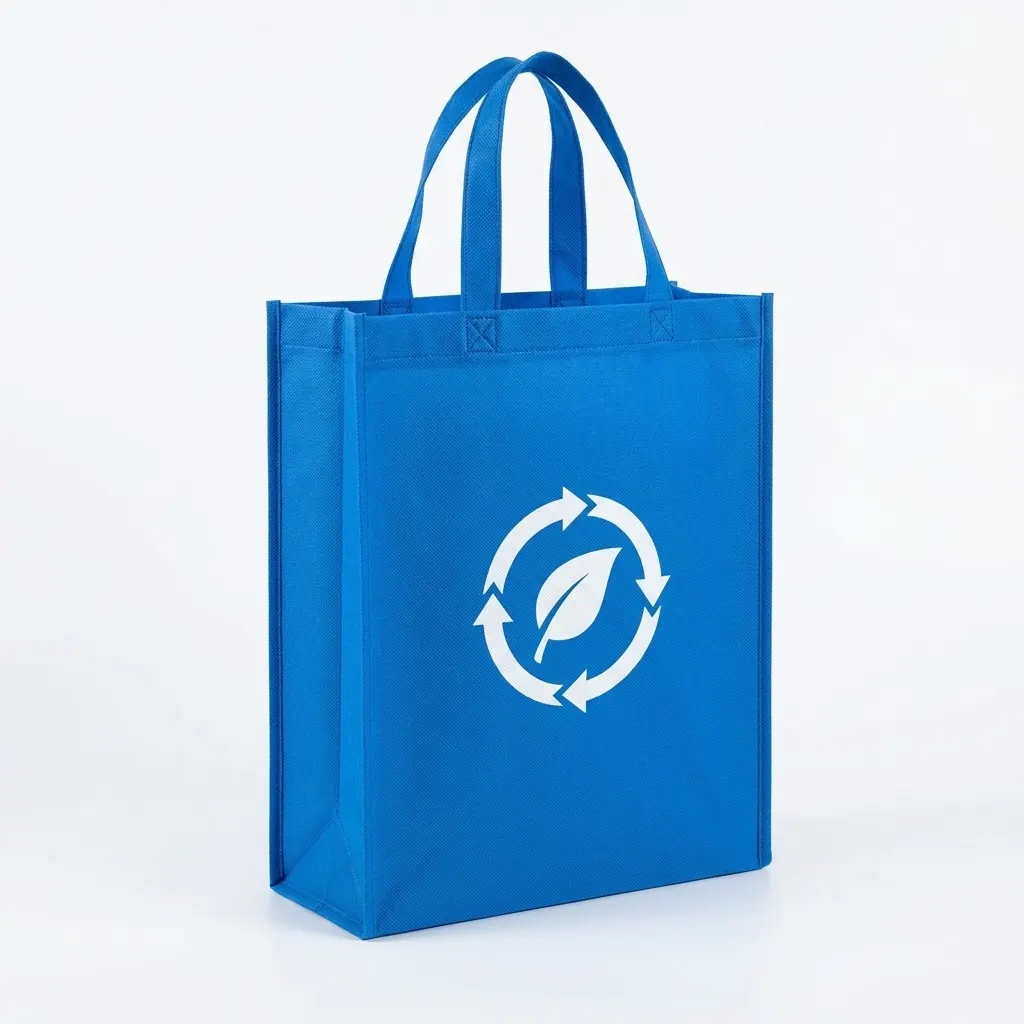
- You need a reusable carrier on a $0.20–$0.45 budget for supermarkets, convenience chains, or retail outlets.
- You need 3,000 to 50,000+ branded giveaway bags for conferences, trade shows, or corporate promotions that won't be discarded.
- Your goods involve cold moisture, chilled bottles, or produce that would soften and tear paper bags.
- You want full-bleed, photo-quality custom graphics via BOPP lamination for high-impact retail branding.
Choose Another Material If:
- You sell high-end luxury apparel ($50+ items) where customers expect heavyweight cotton canvas or rigid gift boxes.
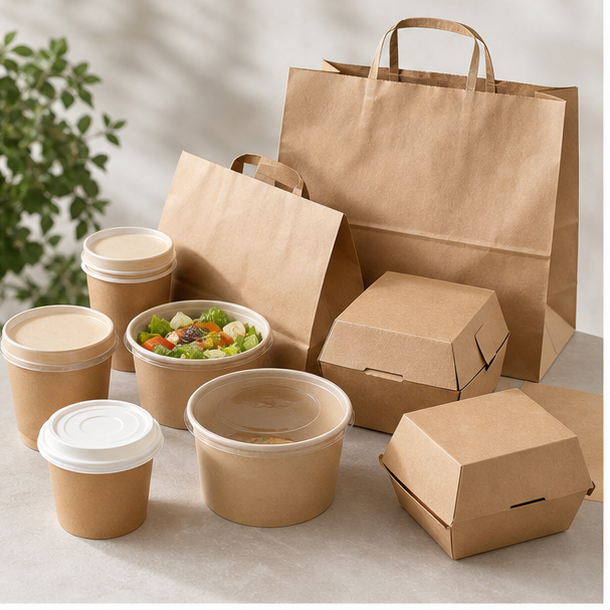
- You run a bakery or takeaway restaurant where warm breads need breathable, curbside-recyclable kraft paper.
- Your bags require frequent hot-water machine laundering and heavy sanitizing (opt for 100% natural cotton canvas).
3 Quick Tips to Get the Best Quality from Your Factory
If you decide non-woven bags fit your project, keep these three factory tips in mind to avoid common procurement traps:
- Insist on 100% Virgin Polypropylene: Reject suppliers who blend cheap calcium carbonate (CaCO₃) chalk filler into the resin. Test via ASTM D5630 ash test: virgin PP has <2% ash, whereas adulterated fabric contains 15–30% filler, causing catastrophic tensile and handle tears.
- Choose the Right Handle Construction: Use ultrasonic welds for light promotional totes (<3 kg); specify sewn handles with X-box cross-stitching through a folded top hem for bags carrying 8 to 15 kg.
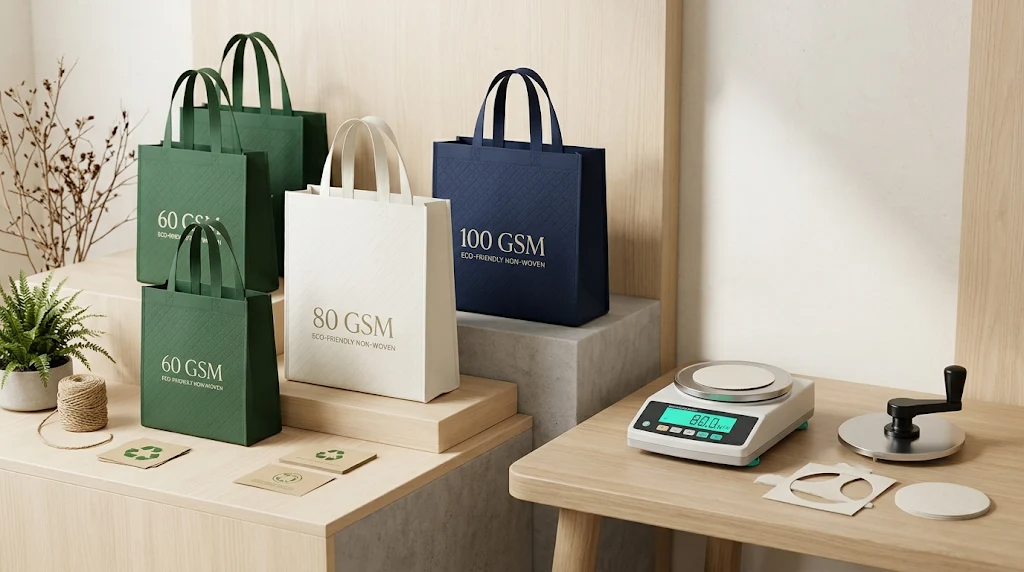
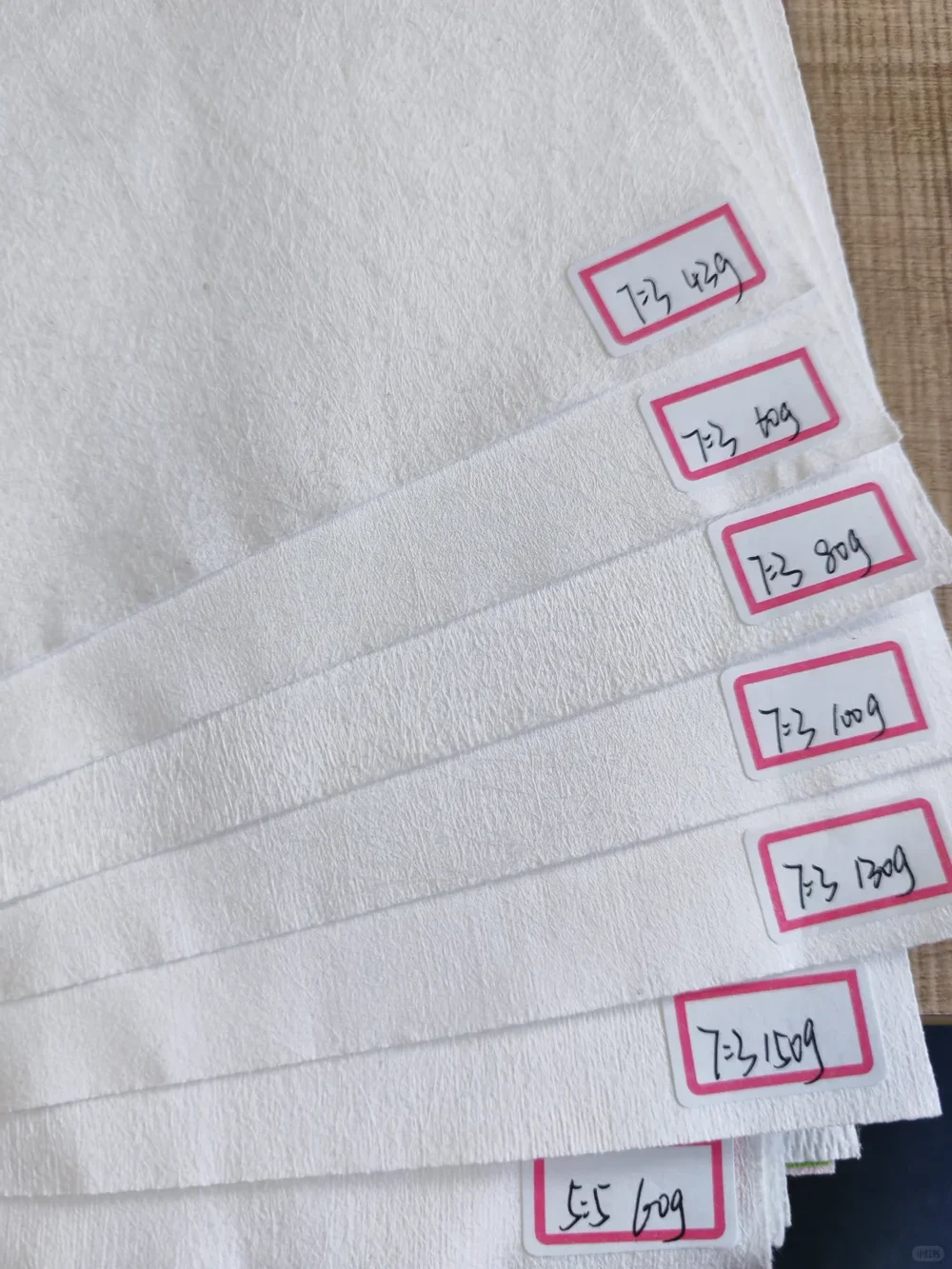
- Match the GSM to Your Payload: Select 50–60 GSM for clothing dust covers, 80–90 GSM for standard grocery shopping totes, and 100–120 GSM for heavy beverage and bottle carriers. Check fabric weight with ISO 9073-1 sample cutters.
Sources & Industry Test Standards
- UK Environment Agency (Report SC030148, 2011): Life Cycle Assessment of Supermarket Carrier Bags: A review of the bags available in 2006 — GOV.UK Document.
- Danish Environmental Protection Agency (Report No. 1985, 2018): Life Cycle Assessment of Grocery Carrier Bags — Danish EPA Publications.
- New York State Department of Environmental Conservation: 6 NYCRR Part 351-1.2 Plastic Bag Reduction, Reuse and Recycling Regulations (80 GSM / 22 lbs / 125 uses standard) — Cornell Legal Information Institute.
- European Parliament & Council Directive (EU) 2024/825: Empowering Consumers for the Green Transition and Banning Generic Environmental Claims — EUR-Lex.
- ASTM International D5034: Standard Test Method for Breaking Strength and Elongation of Textile Fabrics (Grab Test) — ASTM D5034.
- ASTM International D5630: Standard Test Method for Ash Content in Plastics (CaCO₃ Filler Adulteration Detection) — ASTM D5630.
- ISO 11357-3: Plastics — Differential scanning calorimetry (DSC) — Part 3: Determination of temperature and enthalpy of melting and crystallization — ISO 11357-3.
- ISO 9073-1: Textiles — Test methods for nonwovens — Part 1: Determination of mass per unit area (GSM verification) — ISO 9073-1.
Get a Direct Factory Quote for Your Custom Bags
At EcoLeaderPack, we produce custom non-woven bags directly on automated production lines, offering custom dimensions, fabric weights (40–150 GSM), handle reinforcement, and multi-color printing.
Explore all standard styles on our Custom Non-Woven Bags collection page. If you have target dimensions and order volumes ready, message our team on WhatsApp: +86 155 2109 3069 or submit the inquiry form below for direct factory pricing and physical pre-production samples within 24 hours.
Get a Factory Direct Quote & Bag Samples
All fields marked with an asterisk () are required. Tell us your target bag dimensions, quantity, and print requirements, and our team will get back to you with pricing within 24 hours.