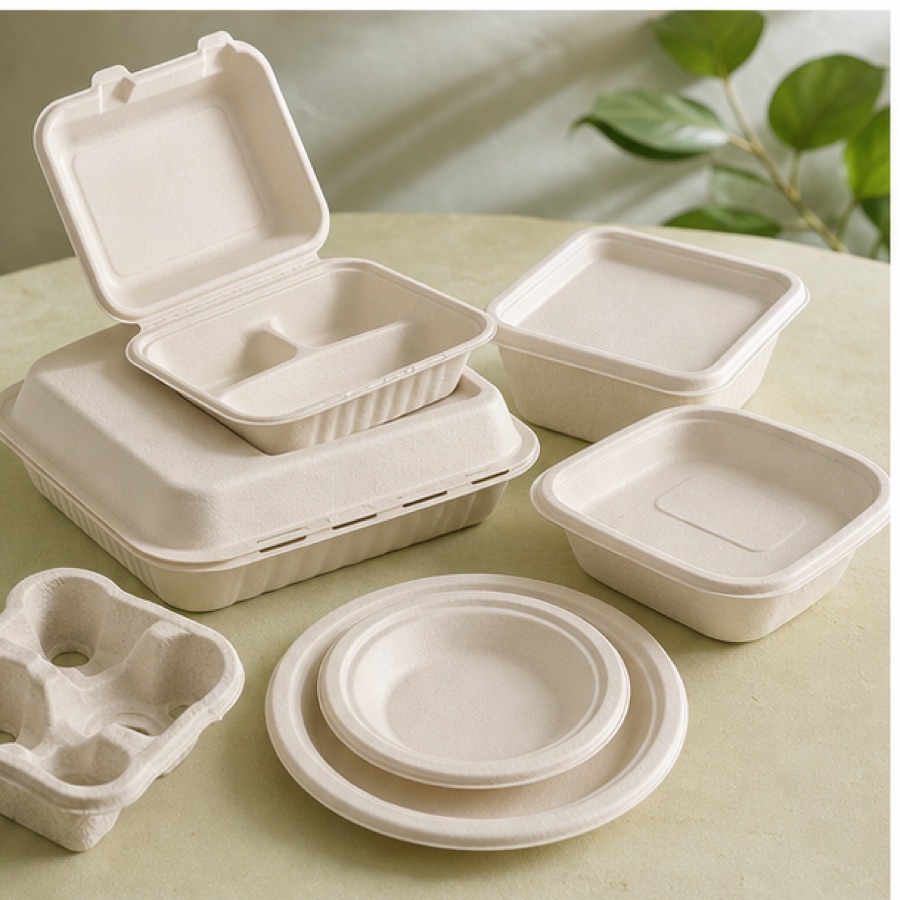



Right-sized formats
Appropriate capacity, structure, and carton configuration can reduce unnecessary material and shipping volume.

Responsible Packaging Decisions
Evaluate material reduction, renewable inputs, food performance, product evidence, packing efficiency, and realistic end-of-life routes.
Overview
Packaging only creates value when it protects food, supports safe service, and reaches the customer in usable condition. Responsible selection therefore begins with the food application and avoids unnecessary material, oversized formats, unsuitable claims, and preventable waste.
Eco Leader Pack focuses on practical comparisons across bagasse, cornstarch-based products, and paper packaging, supported by SKU-specific information, samples, and clear sourcing conversations.
Choose the lightest practical format that still performs
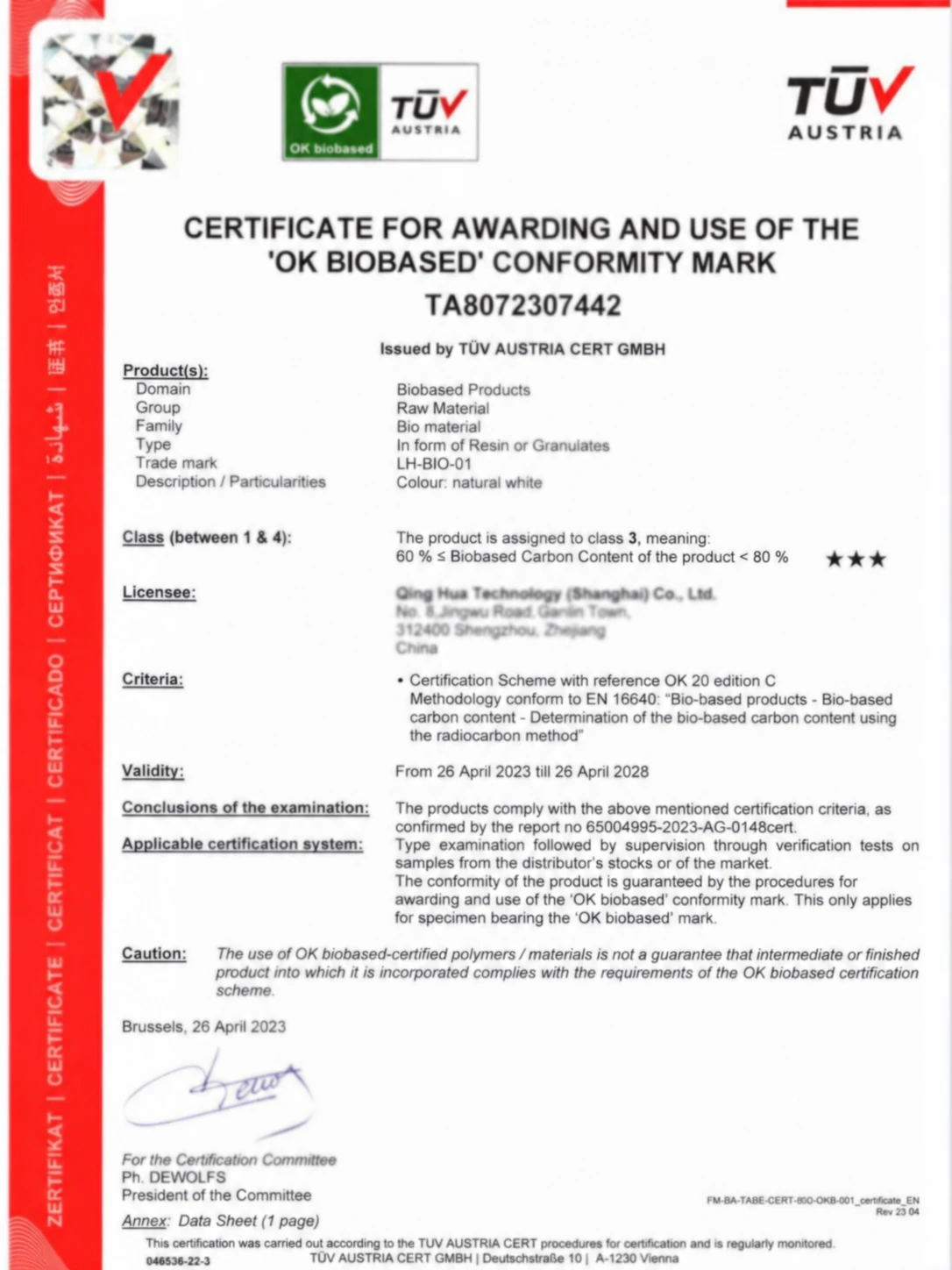
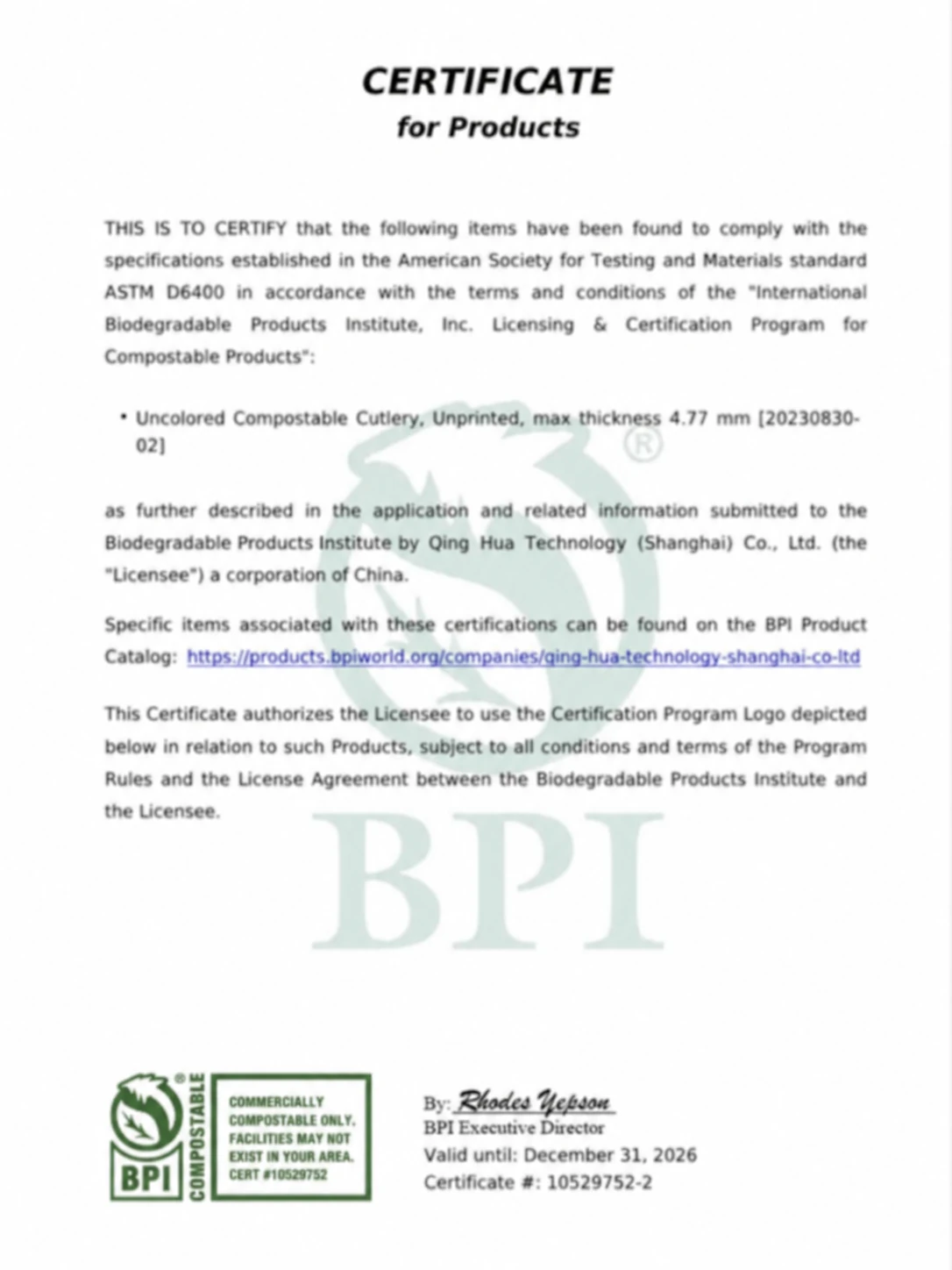
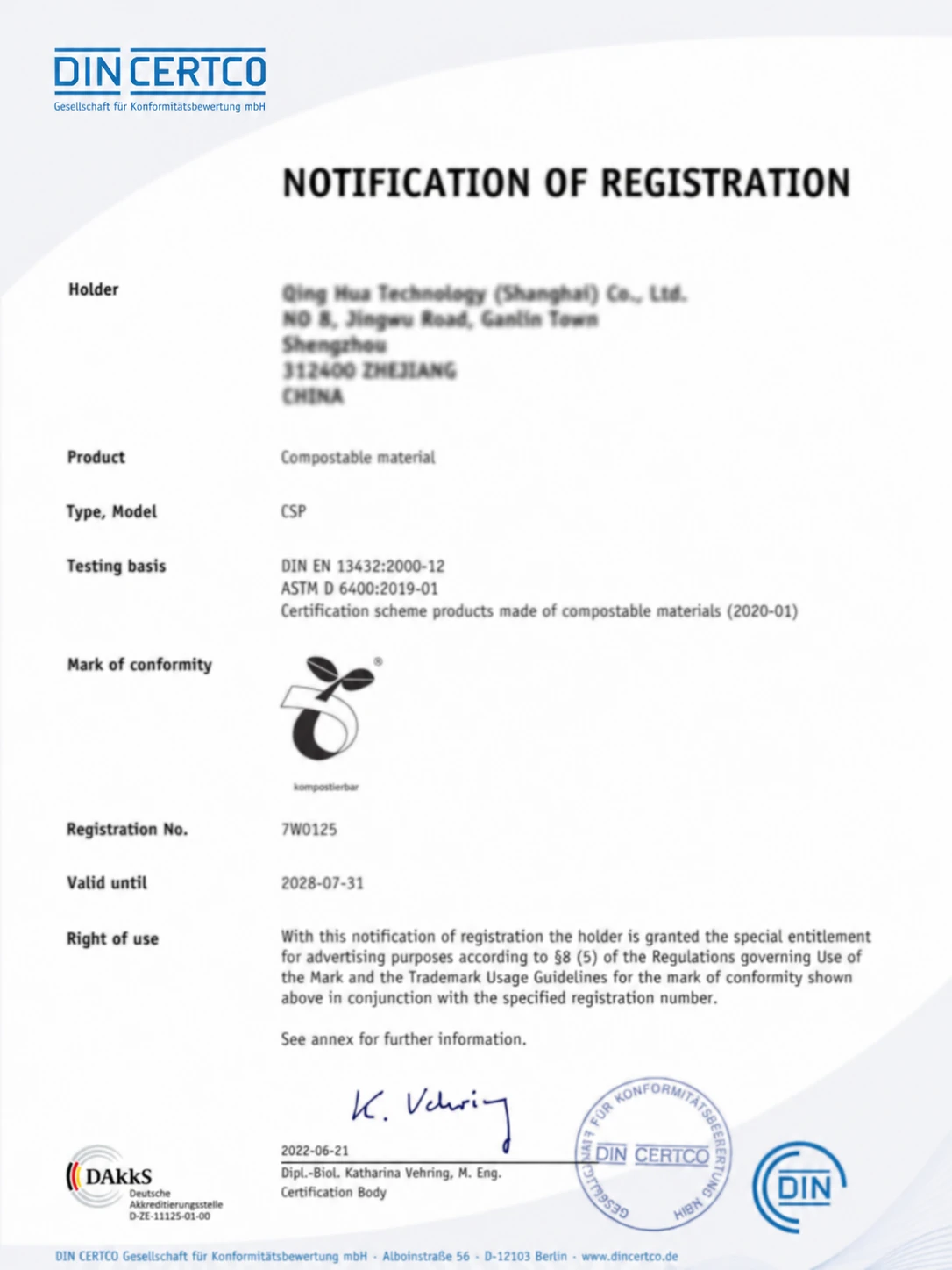
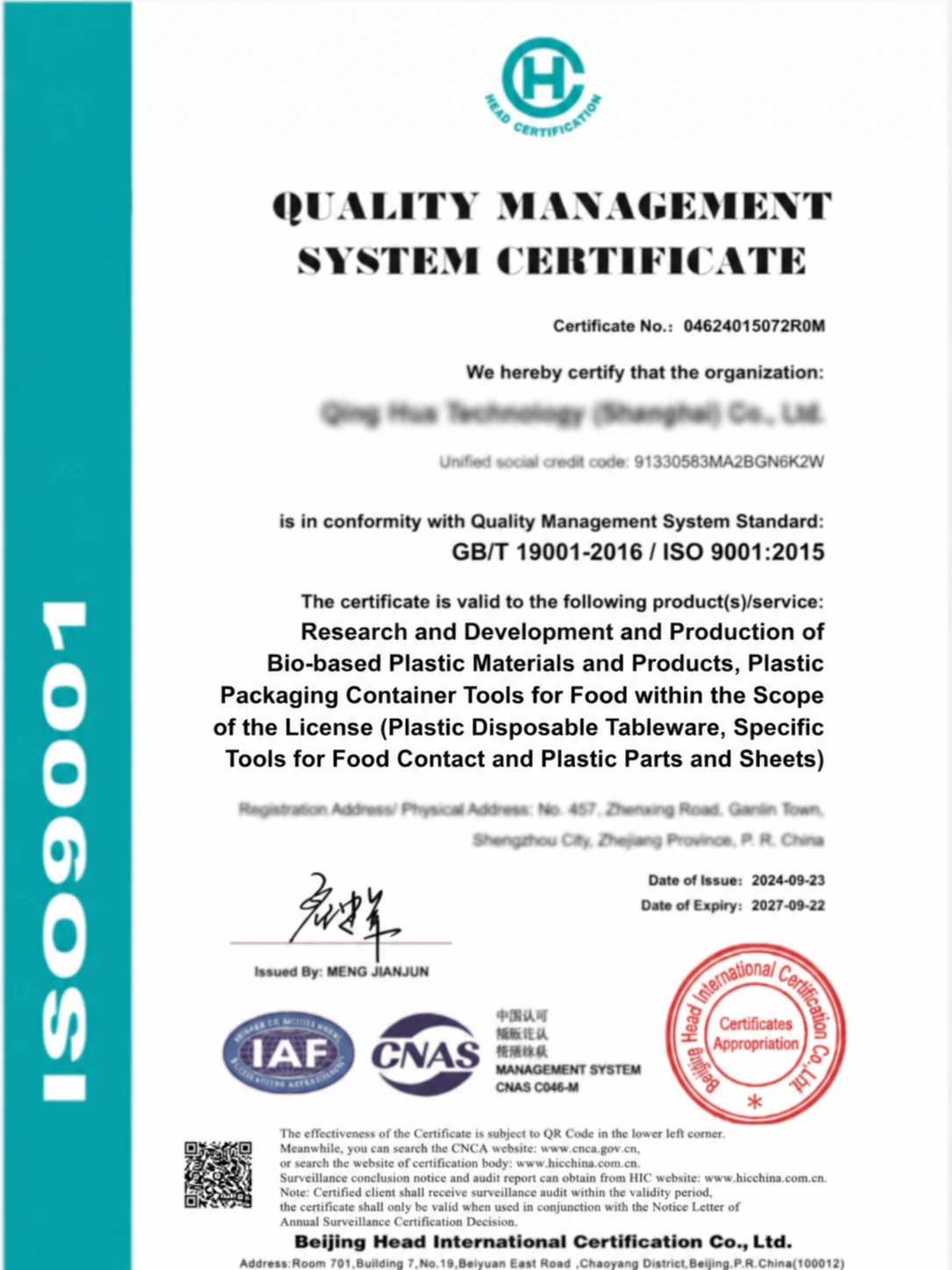
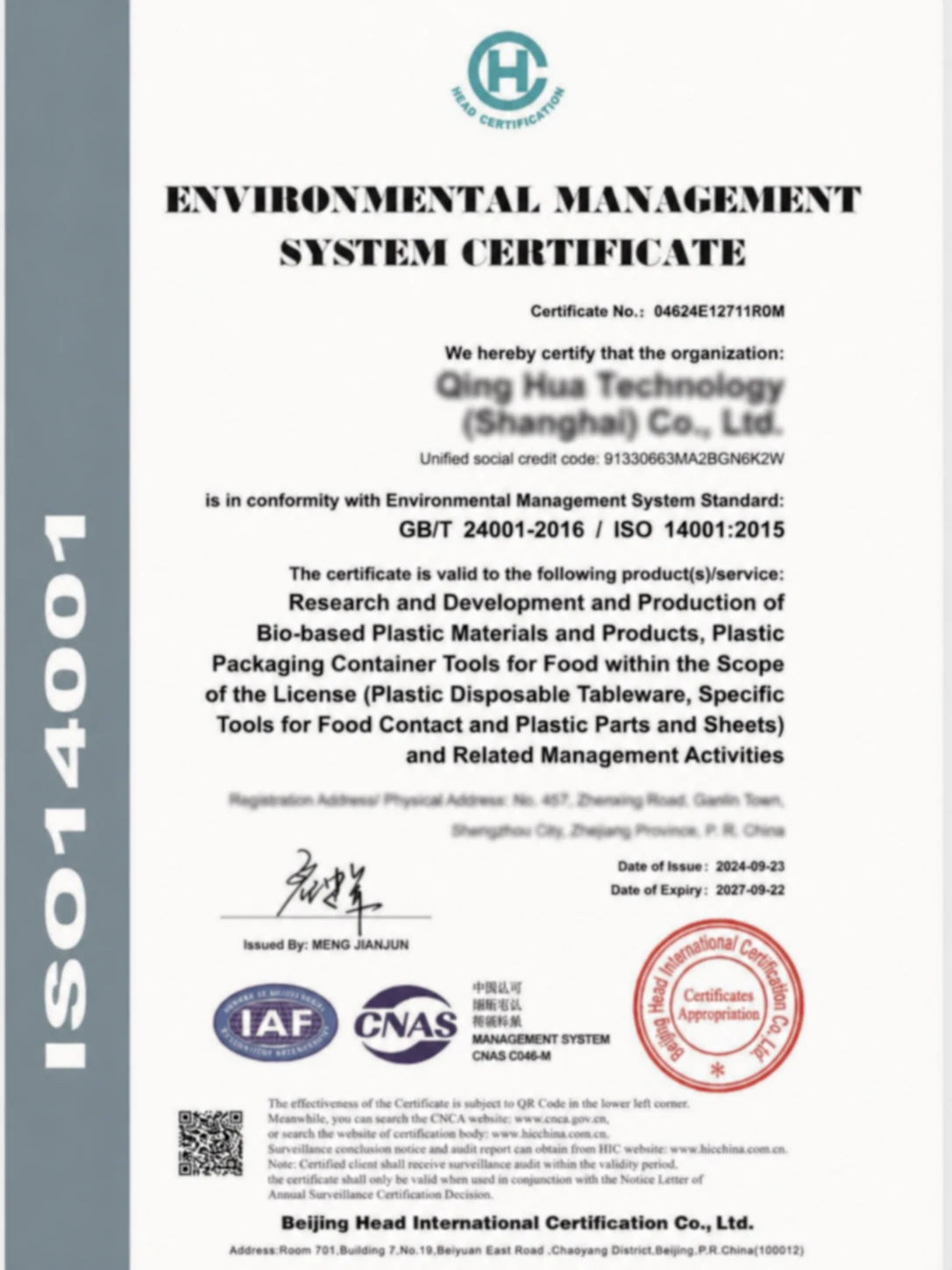
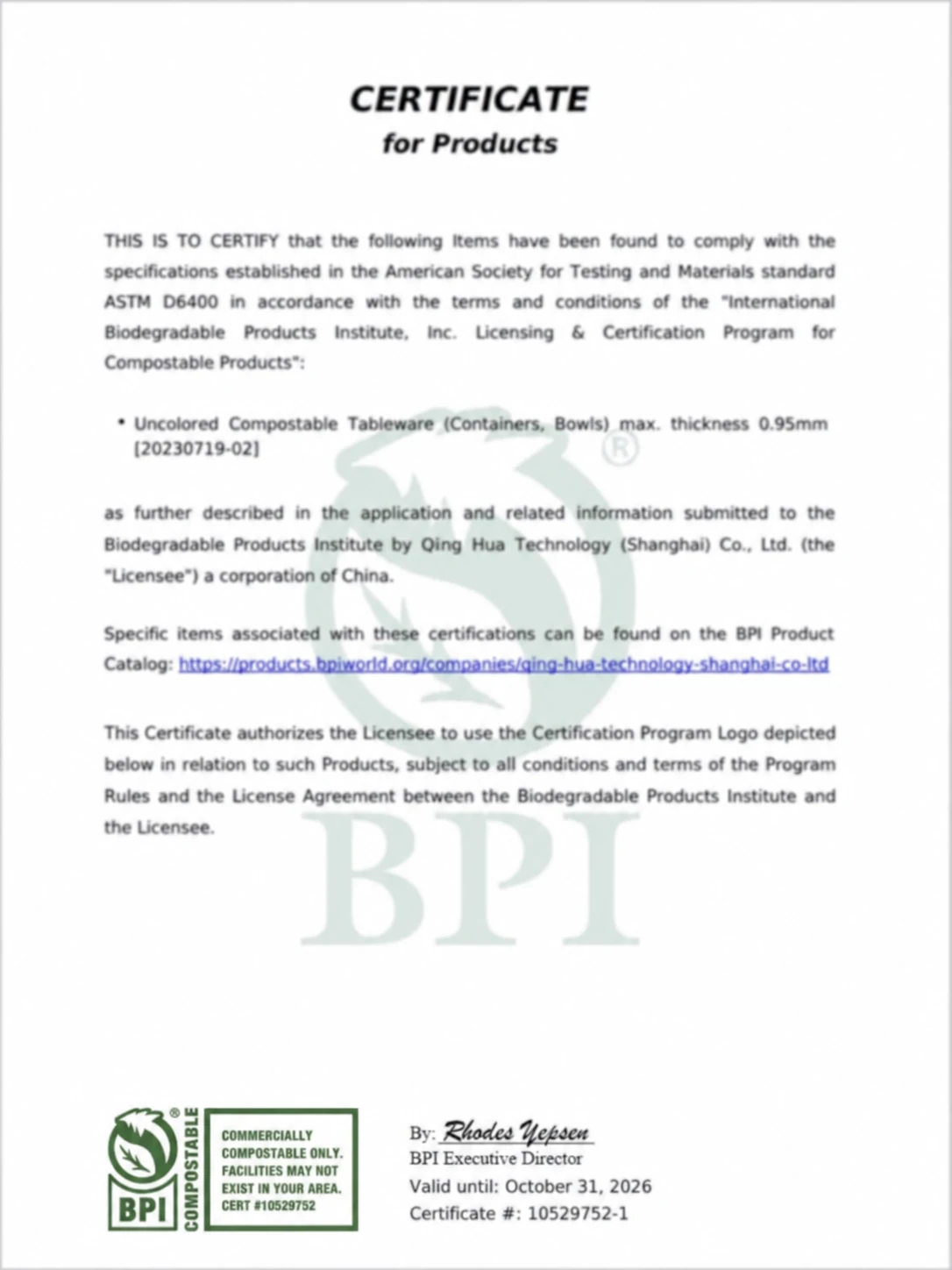
Match sustainability claims to product-specific evidence
Consider local collection, recycling, or composting realities
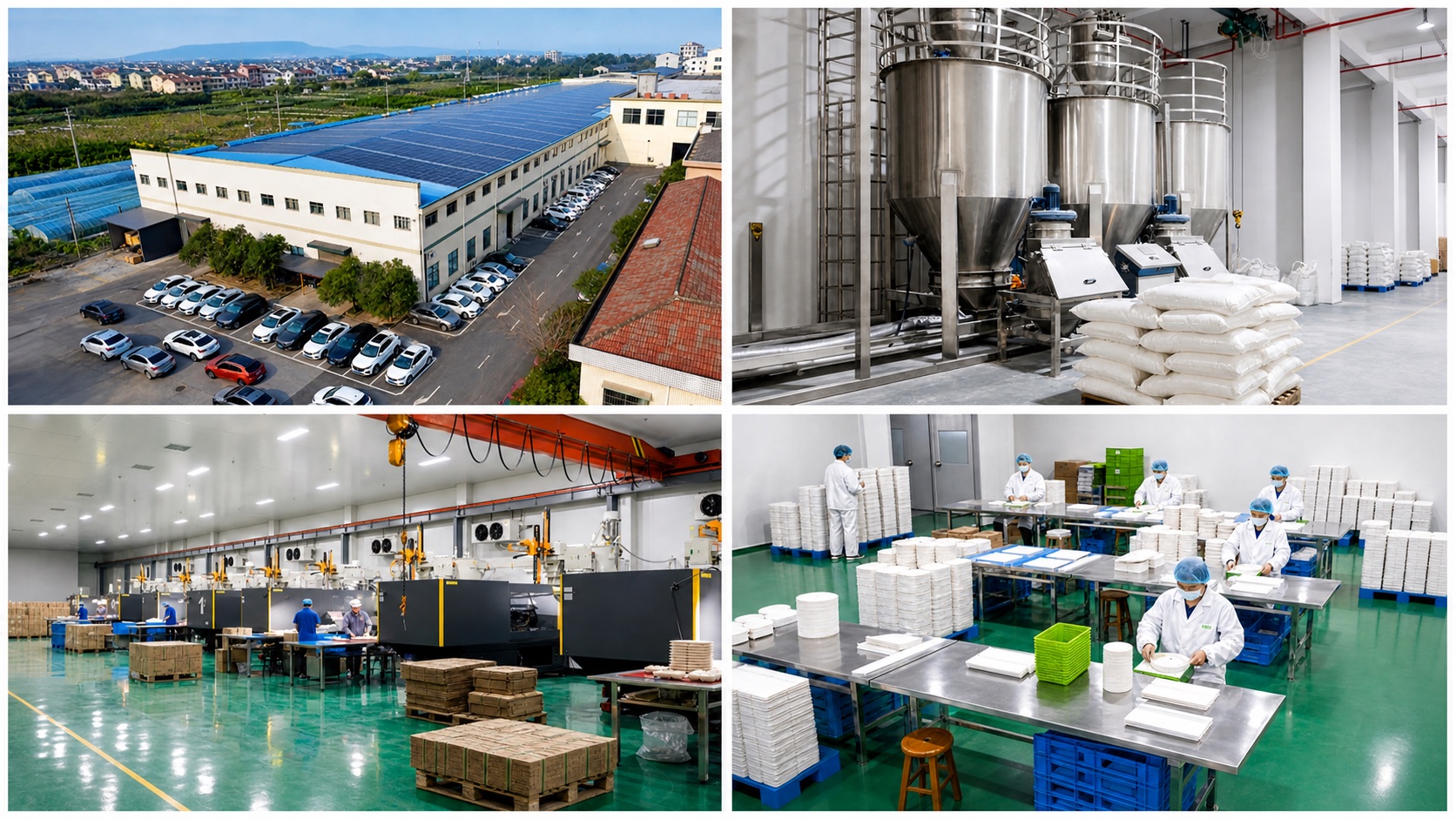
Improve carton fill, packing consistency, and repeat-order planning
Material Strategy
Material choice should balance food protection, structure, market expectations, available evidence, and end-of-life infrastructure.
Supports clamshells, plates, bowls, trays, and carriers with a natural fiber presentation.
Explore this range →Supports cups, bowls, boxes, cartons, bags, sleeves, and high-visibility printed branding.
Explore this range →Provides options across selected food containers, cups, plates, bowls, and disposable cutlery.
Explore this range →Appropriate capacity, structure, and carton configuration can reduce unnecessary material and shipping volume.
Responsible Claims
Claims should reflect the actual product, test scope, conditions, market rules, and disposal infrastructure.
Confirm which certificate, report, declaration, or material statement applies to the exact SKU.
Avoid treating biodegradable, compostable, recyclable, renewable, and plastic-free as interchangeable terms.
Review destination-market food-contact rules, labeling requirements, and local waste-management conditions.
Use feedback from samples, production, logistics, and customers to refine sizes, packing, and product selection.
Sourcing Process
Start with food safety, temperature, transport, and customer use.
Review structure, inputs, coatings, accessories, and realistic disposal routes.
Match intended marketing language to SKU-specific documents and market rules.
Refine sizing, packing, carton efficiency, damage rates, and reorder planning.
FAQ
No. Material origin alone does not establish compostability. Confirm the exact product construction, test or certification scope, required conditions, and applicable market claims.
Recyclability depends on coatings, food contamination, product construction, local collection rules, and available recycling infrastructure.
Start with right-sizing, fit-for-purpose performance, accurate material claims, efficient carton packing, damage reduction, and formats compatible with realistic local recovery routes.
Share the food use, target market, material preferences, claims, quantity, and required documents. We can help structure the next product and sample review.