আবরণ এবং আনুষাঙ্গিক
কাগজ পণ্য বিভিন্ন বাধা আবরণ ব্যবহার করতে পারে, যখন lids এবং আনুষাঙ্গিক প্রধান পাত্র থেকে পৃথক উপকরণ ব্যবহার করতে পারেন.
প্যাকেজিং উপাদান গাইড
বুঝুন কিভাবে উপাদান, খাদ্য ব্যবহার, তাপমাত্রা, ব্র্যান্ডিং, নিষ্পত্তি রুট, এবং সম্মতি প্রয়োজনীয়তা প্যাকেজিং নির্বাচন প্রভাবিত করে।
ওভারভিউ
প্রতিটি মেনু বা বাজারের জন্য কোন একক প্যাকেজিং উপাদান সেরা নয়। সঠিক পছন্দ খাদ্যের তাপমাত্রা, তেল এবং আর্দ্রতা, ধরে রাখার সময়, প্রয়োজনীয় কাঠামো, ব্র্যান্ডিং, স্থানীয় বর্জ্য পরিকাঠামো এবং প্রযোজ্য খাদ্য-সংযোগ নিয়মের উপর নির্ভর করে।
এই নির্দেশিকাটি Eco Leader Pack এর তিনটি মূল উপাদান পরিবারের তুলনা করে যাতে ক্রেতারা পৃথক পণ্য এবং নমুনা পর্যালোচনা করার আগে একটি ফোকাসড শর্টলিস্ট তৈরি করতে পারে।
ঢালাই পাত্রে, প্লেট, বাটি, এবং ট্রে জন্য Bagasse
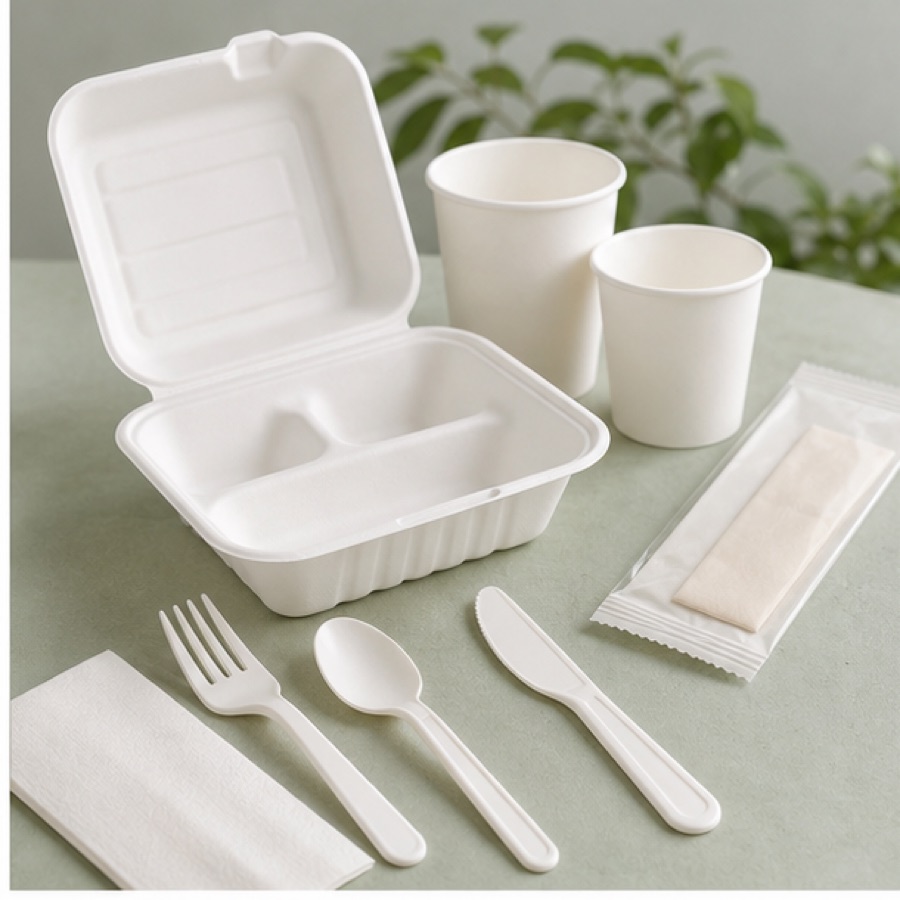
টেবিলওয়্যার, কাপ এবং কাটলারির জন্য কর্নস্টার্চ-ভিত্তিক বিকল্প
কাপ, বাটি, বাক্স, ব্যাগ এবং মুদ্রিত প্যাকেজিংয়ের জন্য কাগজ
SKU-নির্দিষ্ট পরীক্ষা এবং নথি কেনার আগে নিশ্চিত করা উচিত
উপাদান পরিবার
পৃথক স্পেসিফিকেশন নির্বাচন করার আগে পণ্যের প্রাপ্যতা এবং শেষ ব্যবহারের ফিট তুলনা করুন।
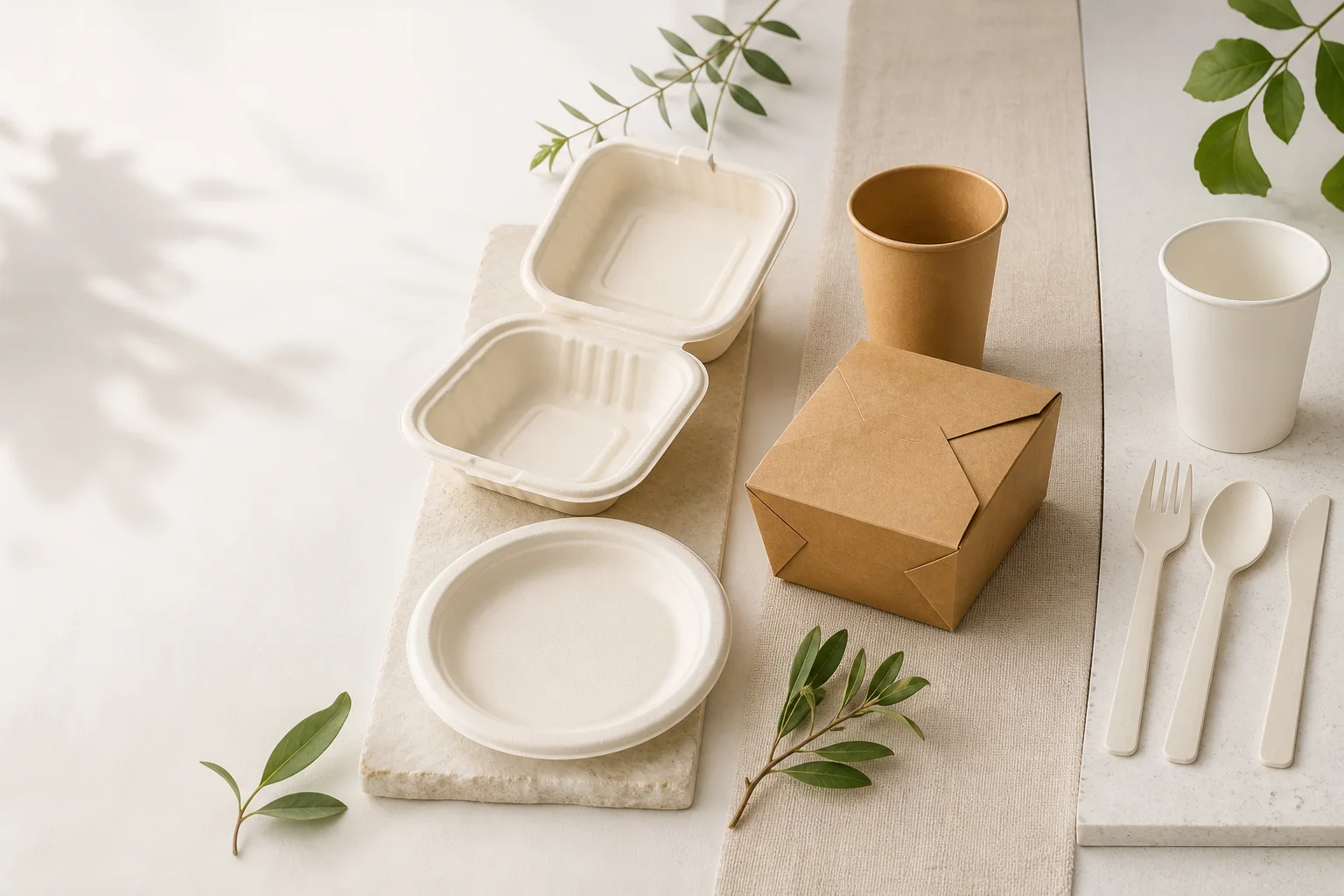
ক্লামশেল, খাবারের বাক্স, প্লেট, বাটি, ট্রে এবং প্রাকৃতিক ফাইবার চেহারা সহ বাহকের জন্য একটি ছাঁচে তৈরি ফাইবার বিকল্প।
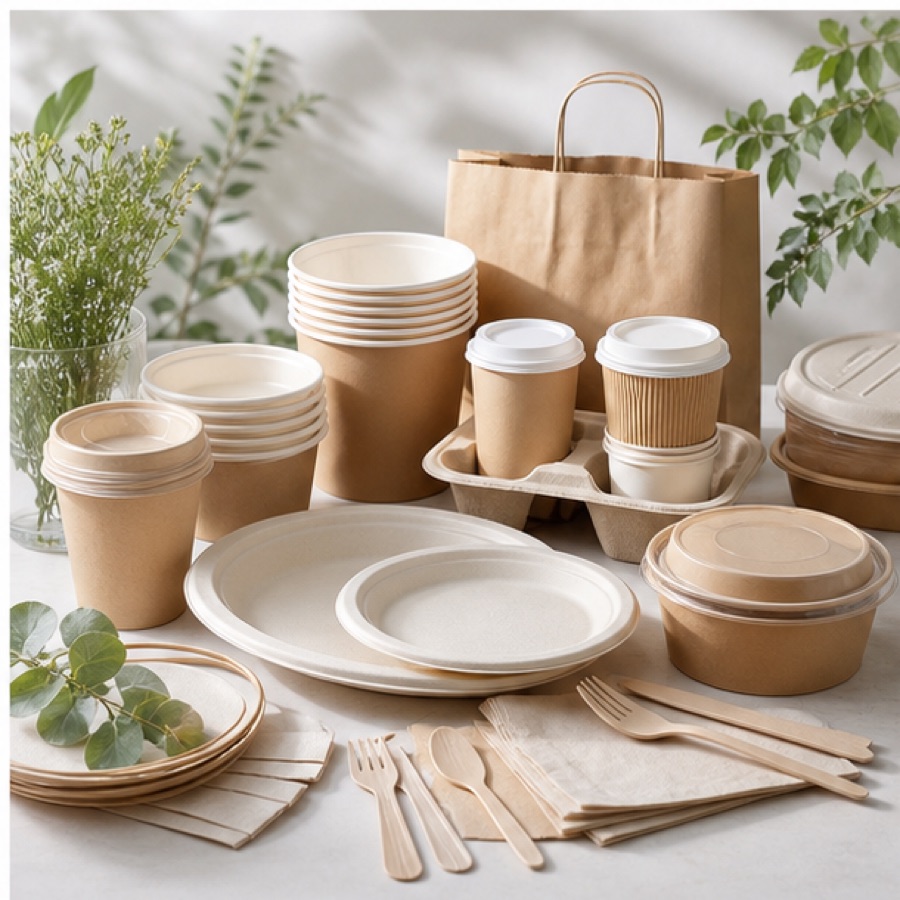
এই পরিসীমা অন্বেষণ →নির্বাচিত ডিসপোজেবল কাপ, খাবারের পাত্র, প্লেট, বাটি এবং কাটলারি প্রোগ্রাম জুড়ে ব্যবহৃত হয়।
এই পরিসীমা অন্বেষণ →কাপ, বাটি, কার্টন, হ্যামবার্গার বক্স, হাতা, ব্যাগ, লেবেল এবং মুদ্রিত ব্র্যান্ড প্রোগ্রাম সমর্থন করে।
এই পরিসীমা অন্বেষণ →কাগজ পণ্য বিভিন্ন বাধা আবরণ ব্যবহার করতে পারে, যখন lids এবং আনুষাঙ্গিক প্রধান পাত্র থেকে পৃথক উপকরণ ব্যবহার করতে পারেন.
নির্বাচনের মানদণ্ড
বাণিজ্যিক উপযুক্ততা সম্পূর্ণ পণ্য স্পেসিফিকেশন এবং সরবরাহ প্রোগ্রাম থেকে আসে।
তাপমাত্রা, আর্দ্রতা, গ্রীস, অম্লতা, যোগাযোগের সময়কাল, বন্ধ এবং পরিবহন অবস্থার পর্যালোচনা করুন।
বায়োডিগ্রেডেবল, কম্পোস্টেবল, রিসাইকেবল বা প্লাস্টিক-মুক্তের মতো শর্তাবলী পণ্যের নির্মাণ এবং উপলব্ধ প্রমাণের সাথে মেলে।
প্রিন্ট এরিয়া, উপাদানের রঙ, পৃষ্ঠের টেক্সচার, হাতা, লেবেল এবং শক্ত কাগজের উপস্থাপনা বিবেচনা করুন।
MOQ, নমুনা প্রাপ্যতা, সীসা সময়, প্যাকিং পরিমাণ, পুনরাবৃত্তি-অর্ডার স্থায়িত্ব, এবং শিপিং অনুমান নিশ্চিত করুন।
সোর্সিং প্রক্রিয়া
খাবারের ধরন, পরিবেশনের তাপমাত্রা, যোগাযোগের সময় এবং পরিবহন পদ্ধতি তালিকাভুক্ত করুন।
গঠন, চেহারা, ব্র্যান্ডিং, এবং নিষ্পত্তি প্রত্যাশা তুলনা.
লক্ষ্য বাজারের জন্য SKU-নির্দিষ্ট খাদ্য-সংযোগ এবং উপাদান তথ্য পরীক্ষা করুন।
বাস্তব খাদ্য ফিট, ক্লোজার, স্ট্যাকিং, প্যাকিং এবং গ্রাহকের অভিজ্ঞতা যাচাই করুন।
FAQ
Bagasse পাত্রে এবং নির্বাচিত প্রলিপ্ত কাগজ বিন্যাস সাধারণত গরম টেকওয়ে খাবারের জন্য বিবেচনা করা হয়। চূড়ান্ত পছন্দ খাদ্য, তাপমাত্রা, সময়কাল, গঠন, এবং নির্বাচিত SKU উপর নির্ভর করে।
না। কম্পোস্টেবিলিটি দাবিগুলি পণ্য, শংসাপত্রের সুযোগ, প্রয়োজনীয় শর্ত এবং উপলব্ধ সংগ্রহ বা কম্পোস্টিং পরিকাঠামোর উপর নির্ভর করে।
হ্যাঁ। ক্রেতারা প্রায়ই মেনু এবং পরিষেবার মডেল অনুসারে কাগজের কাপ এবং বাক্স, ব্যাগাস খাবারের পাত্র এবং কর্নস্টার্চ বা CPLA কাটলারি একত্রিত করে।
খাদ্য অ্যাপ্লিকেশন, প্রয়োজনীয় বিন্যাস, বাজার, পরিমাণ এবং স্থায়িত্ব লক্ষ্যগুলি ভাগ করুন। আমরা পরবর্তী উপাদান এবং নমুনা চেক সংগঠিত সাহায্য করতে পারেন.