Home/Cornstarch Products/Cornstarch Bowls

Cornstarch Bowls Manufacturer for Foodservice and Takeaway

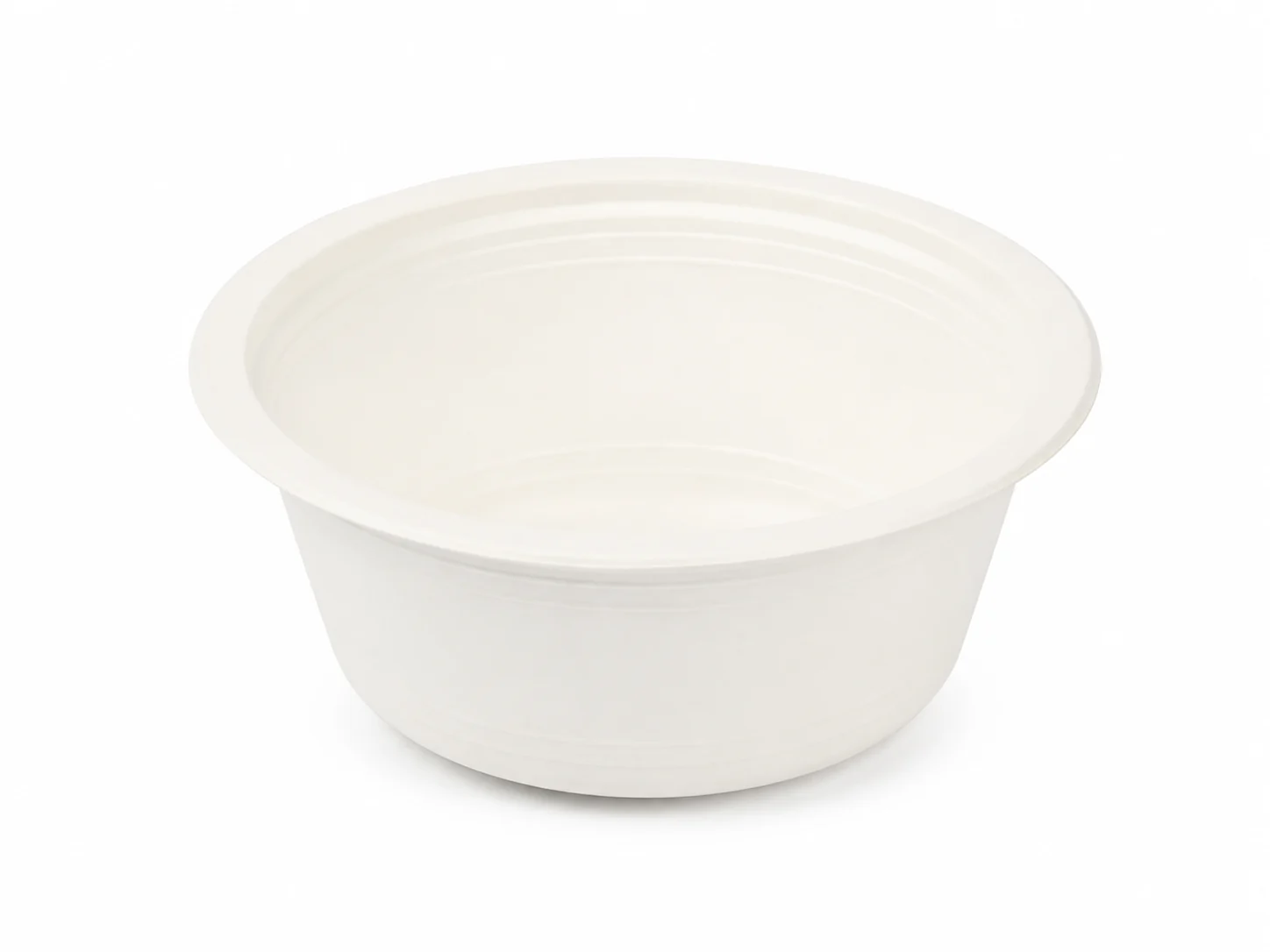
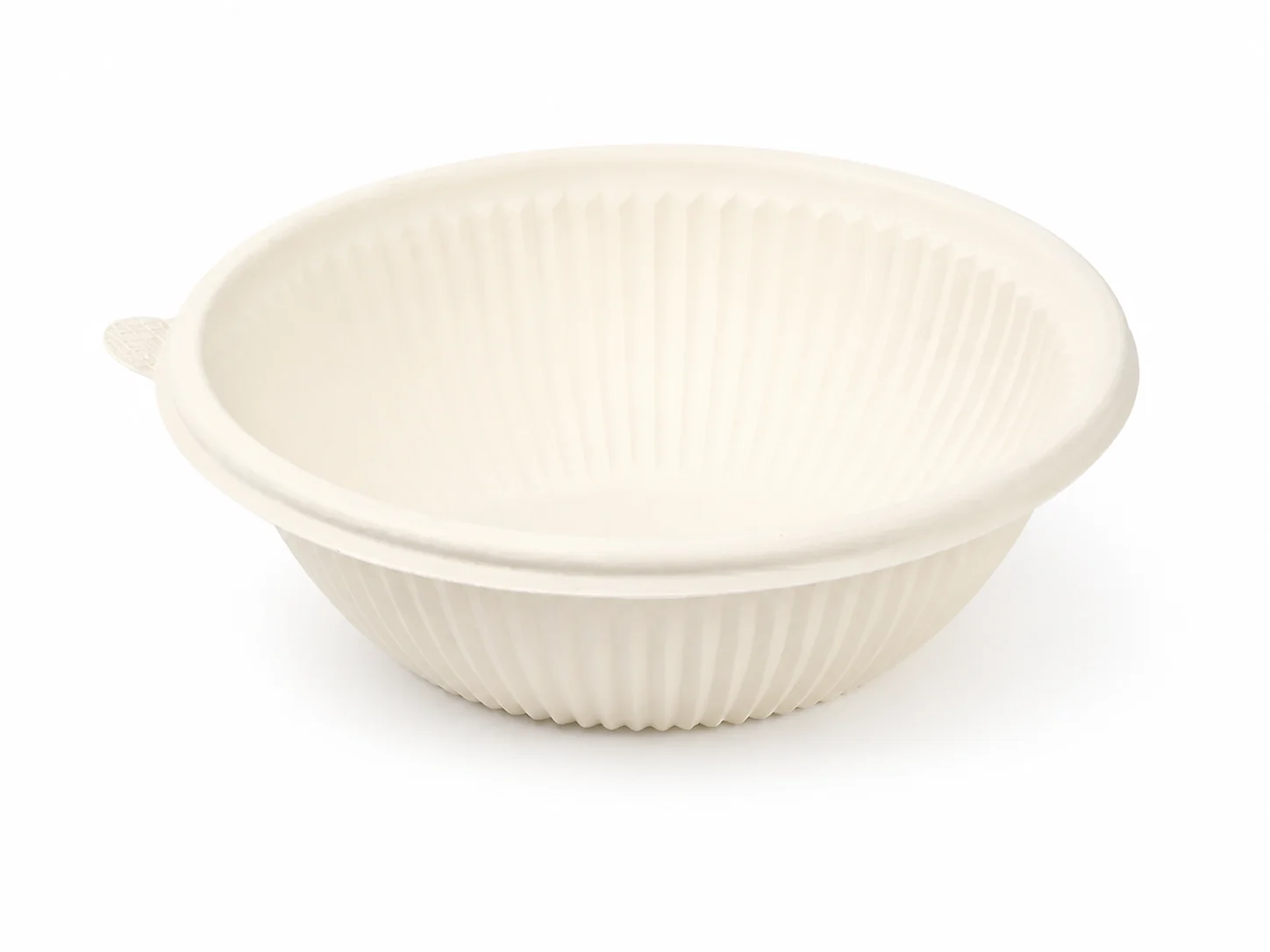
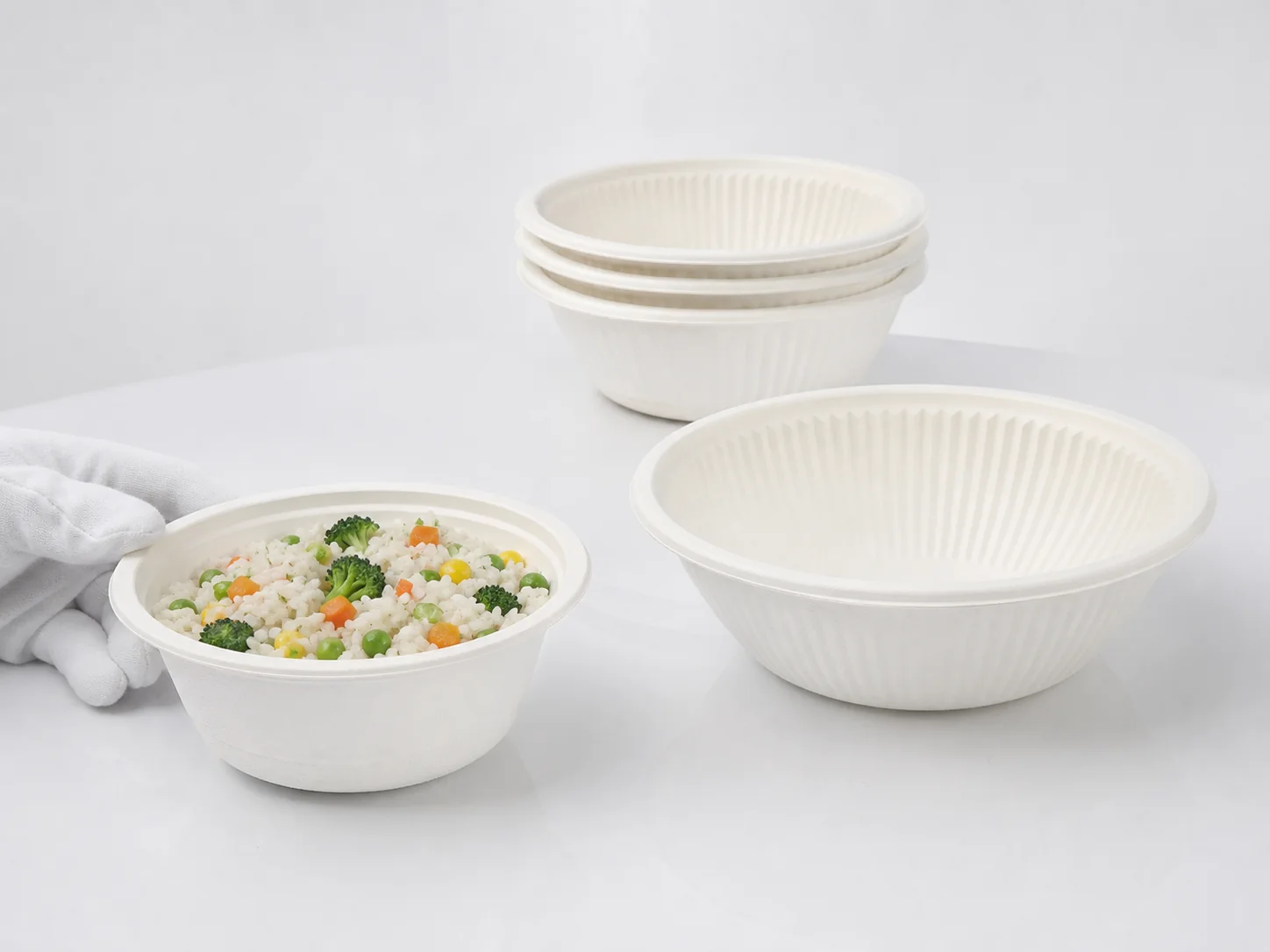
Ecoleaderpack supplies three cornstarch bowl formats for restaurants, takeaway brands, caterers, importers and retail tableware programs. Capacities range from 200 ml for sides and desserts to 960 ml for salads and full portions, with exact dimensions, unit weights and carton packing available for quotation. Buyers can also browse the complete product range for matching tableware and food-packaging formats.

  • Capacities of 200, 400 and 960 ml
  • Bowl diameters from 115 to 200 mm
  • Carton packing from 200 to 800 pieces
  • Orders start from 100,000 pieces per item
  • Molded bottom logo and custom outer packaging review available
Cornstarch bowls for soup rice salad and foodservice

Wholesale Bowl Range by Portion and Foodservice Use

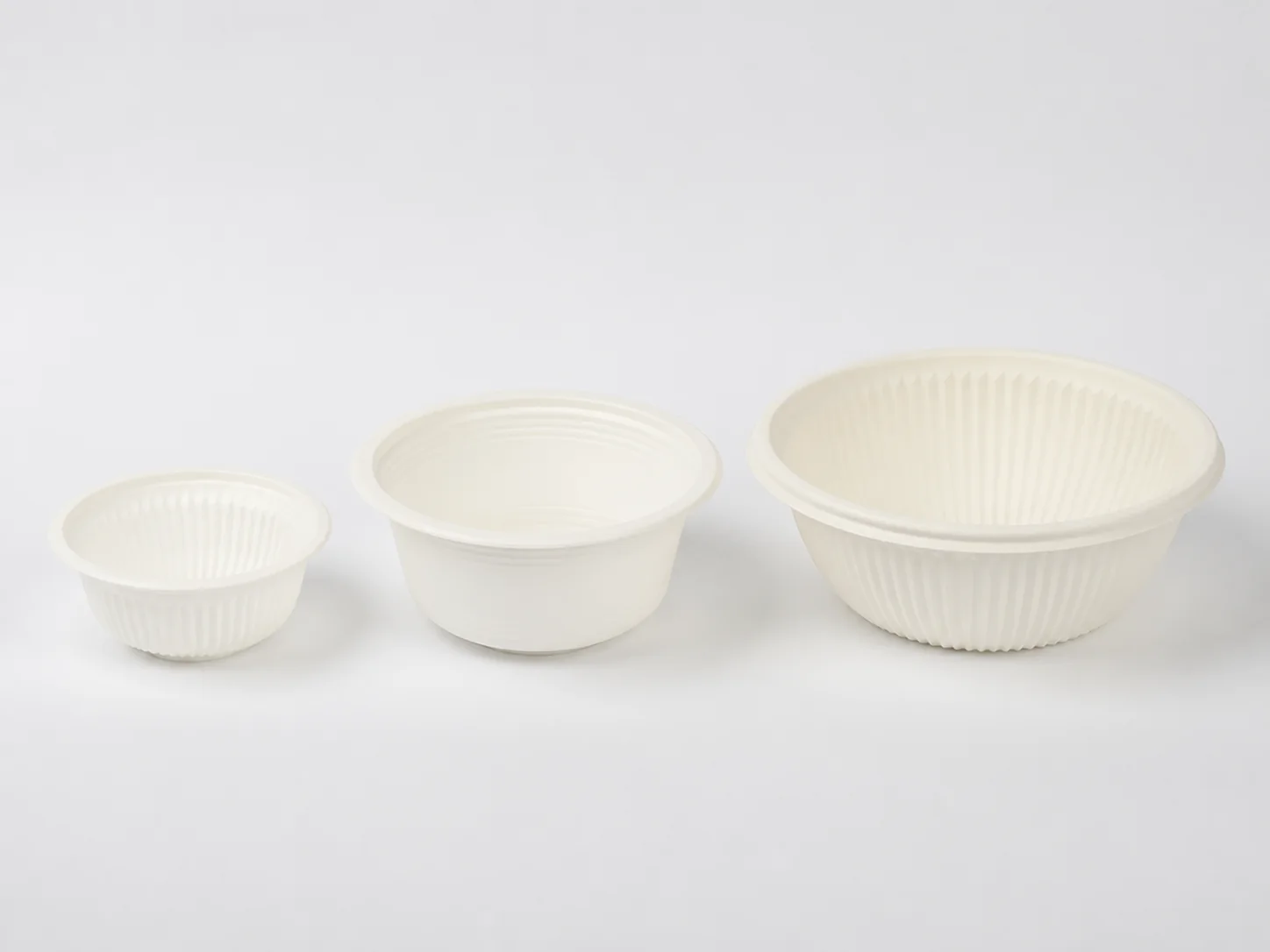
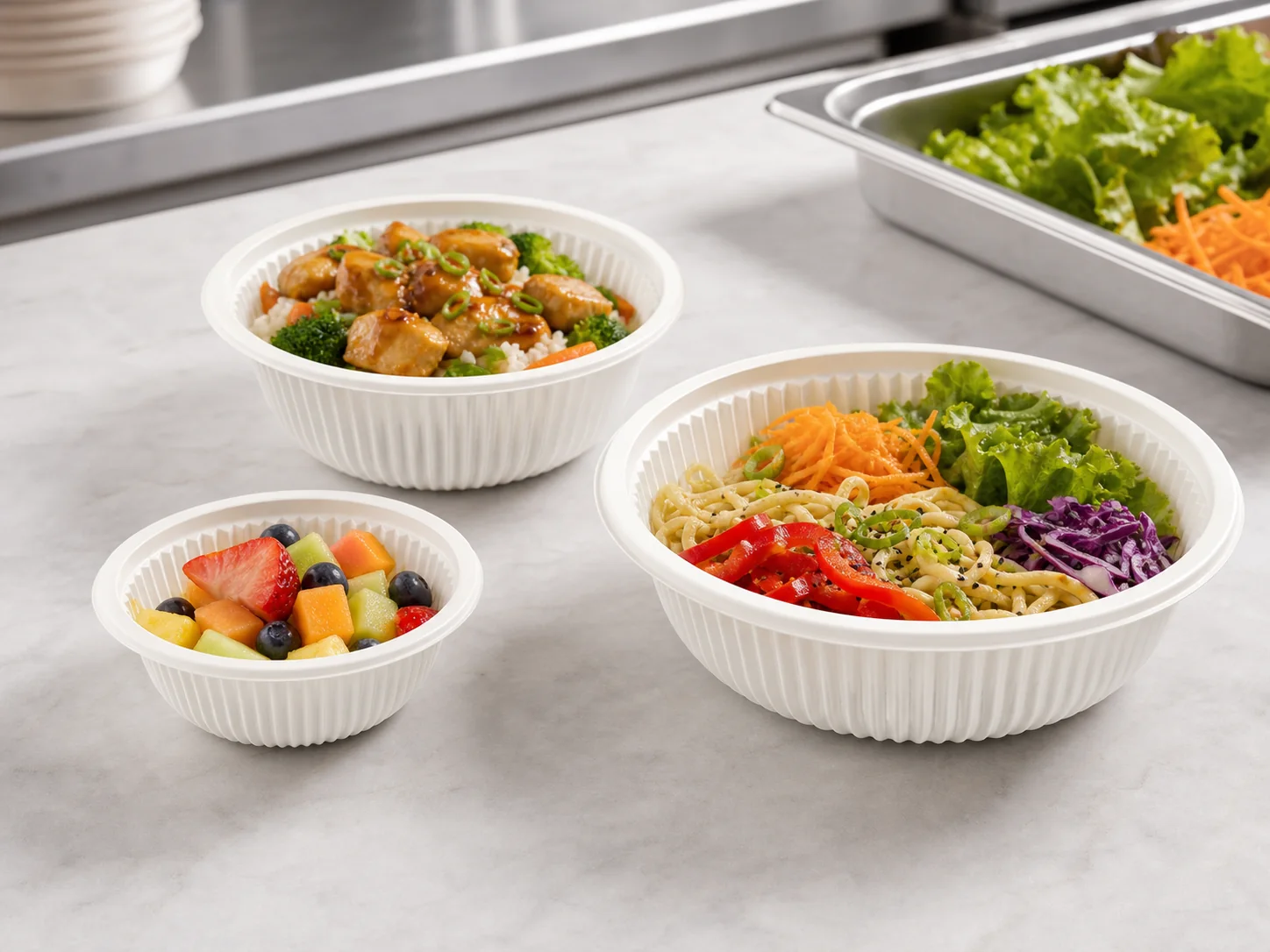
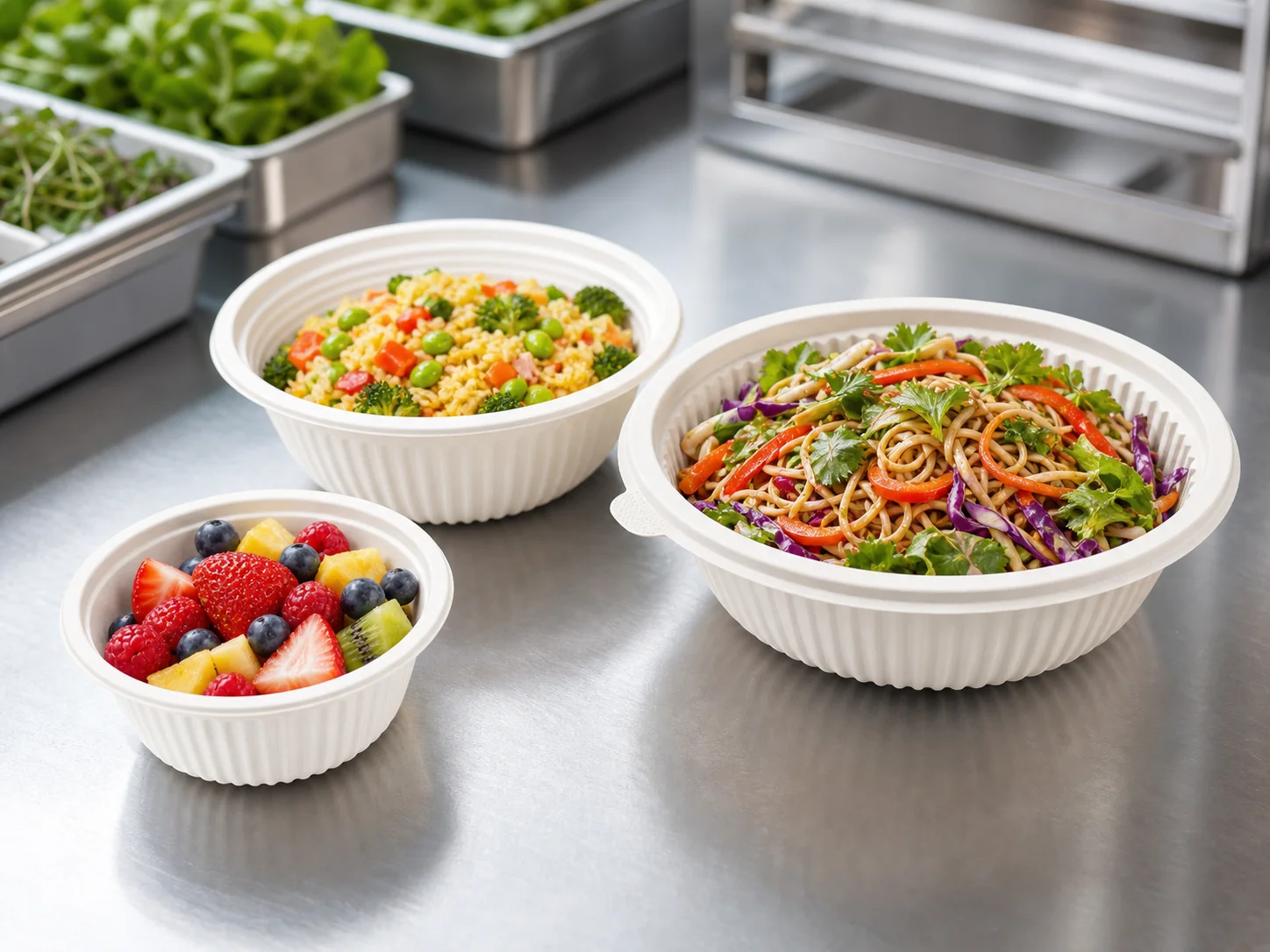
Choose the bowl from the actual food volume, weight and service method. The 200 ml format supports controlled sides and desserts, the 400 ml bowl covers common individual portions, and the 960 ml bowl provides more room for salads, noodles and complete meals.
200 ml Bowls for Desserts and Side Portions

200 ml Bowls for Desserts and Side Portions

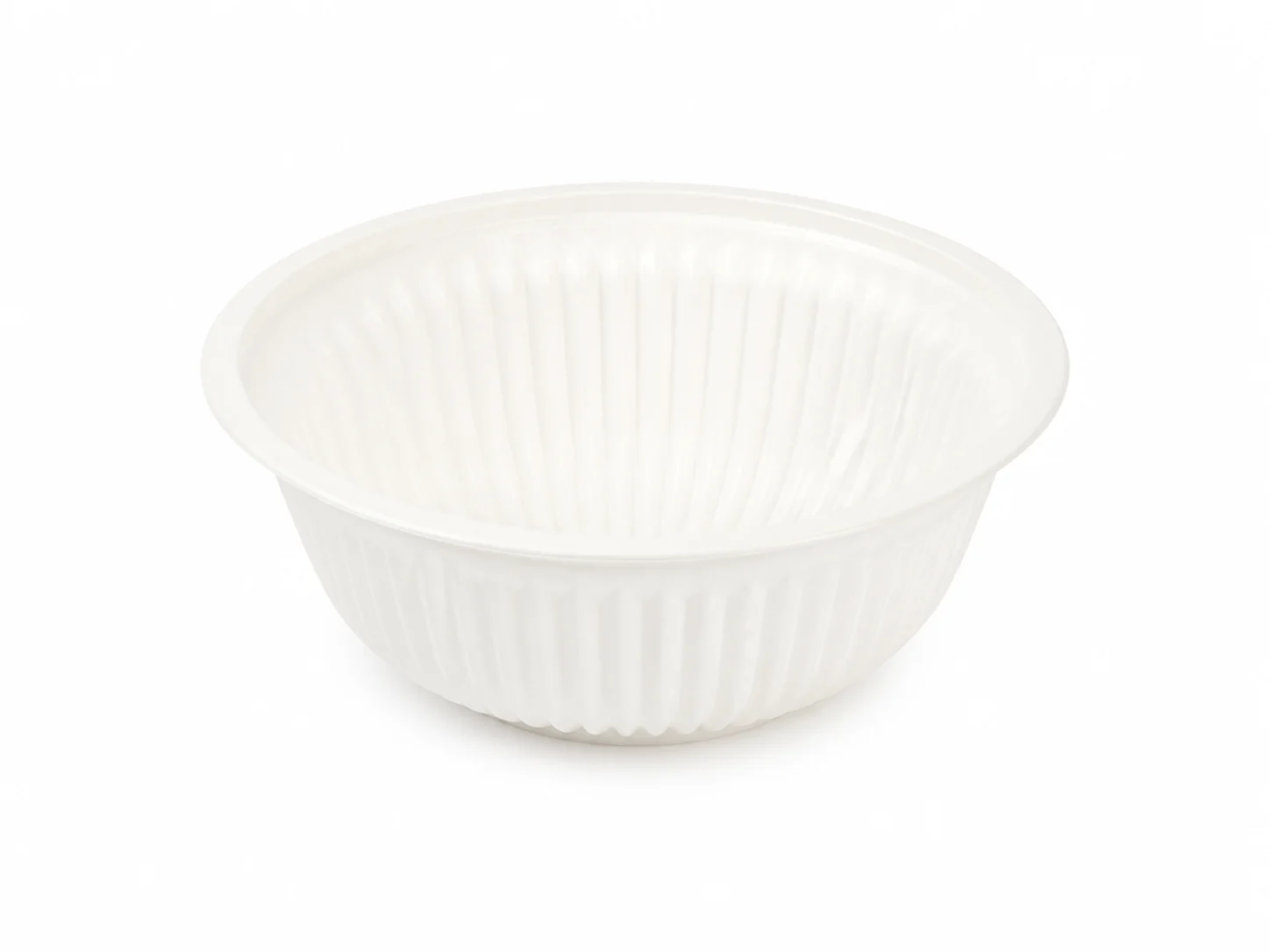
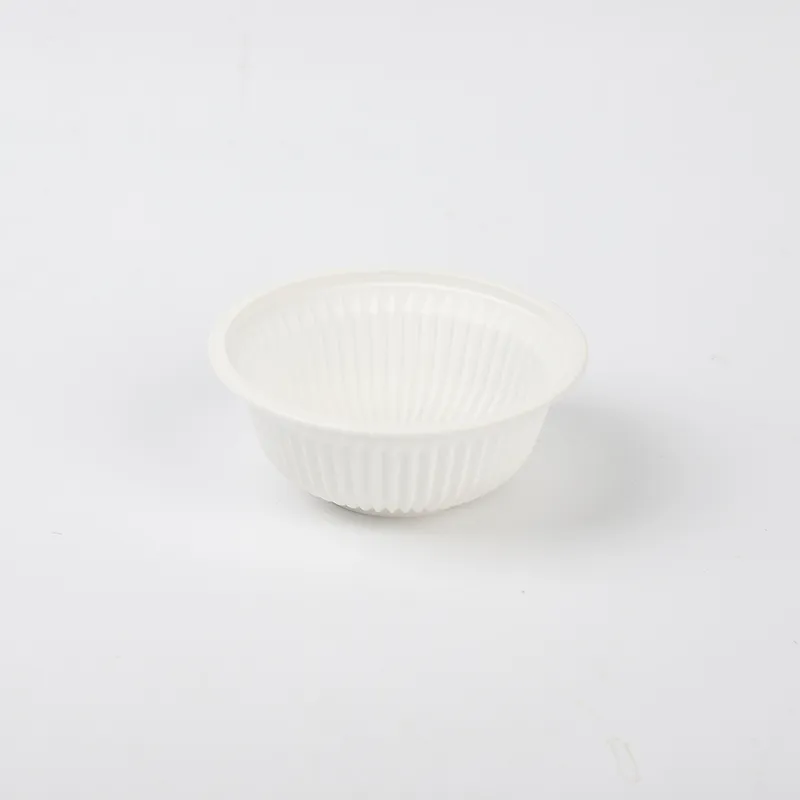
This compact bowl suits sauces, fruit, desserts, yogurt, side dishes and tasting portions. Its 115 mm diameter works well in catering sets, meal trays and service lines where a separate small portion is required without using a full-size bowl.

400 ml Bowls for Individual Meals

400 ml Bowls for Individual Meals

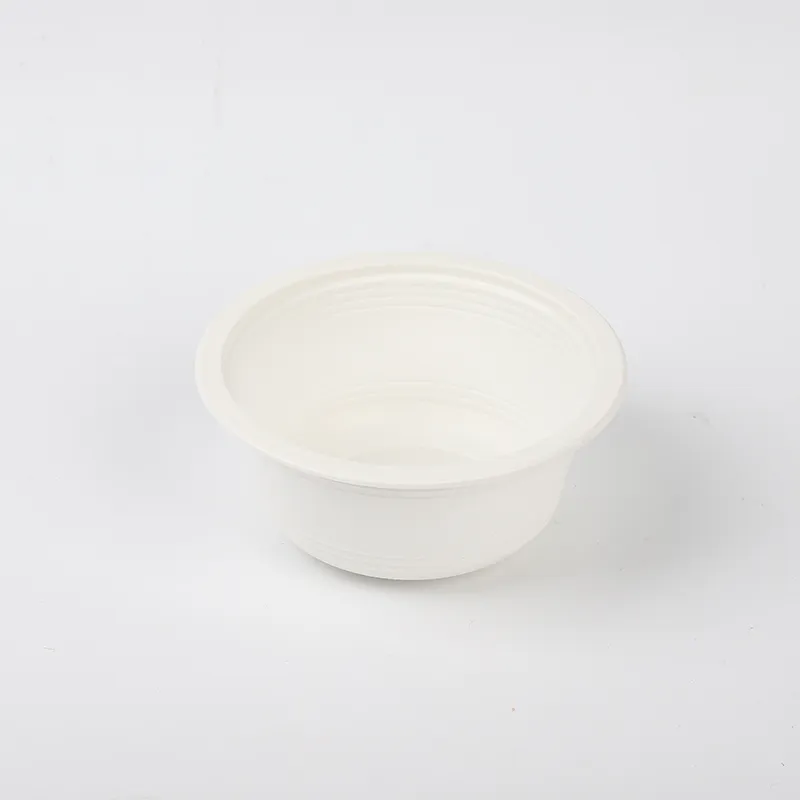
The 400 ml bowl is a practical middle size for rice, noodles, salad, soup portions and prepared foods. A 130 mm diameter and 55 mm height provide more usable depth than a plate while keeping the portion compact for restaurant, takeaway and canteen service.

960 ml Bowls for Salads and Full Portions

960 ml Bowls for Salads and Full Portions

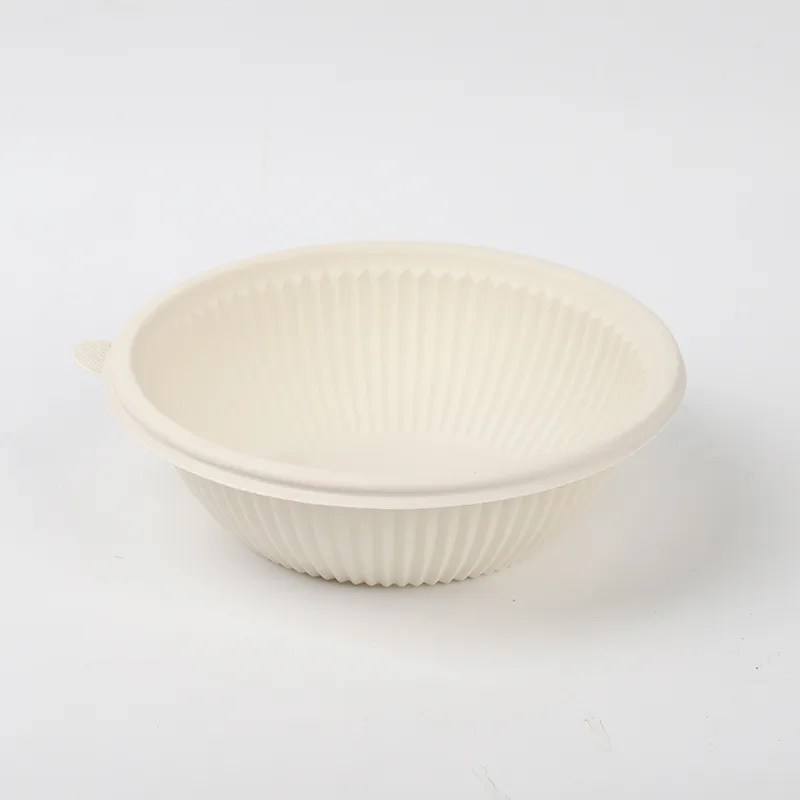
The 960 ml format is intended for larger salads, noodle dishes, rice meals and sharing portions. Its wider 200 mm opening gives more presentation and mixing space, while the actual food weight, headspace and carrying method should still be checked with a sample.

Choose 200 ml, 400 ml or 960 ml for Your Menu

Choose 200 ml, 400 ml or 960 ml for Your Menu

Use capacity as a starting point, then test the normal portion inside the bowl. Leave enough headspace for carrying, toppings, stirring or an overwrap, and confirm that the loaded bowl remains stable during service.

Bowl optionBest suited toSelection advantage
200 ml / 6.5 ozDesserts, sauces, fruit, sides and samplesCompact format for portion control and meal sets
400 ml / 12 ozRice, soup portions, noodles, salad and prepared foodVersatile individual-serving size for several menu types
960 ml / 33 ozLarge salads, full meals, noodles and sharing portionsWider opening and more capacity for substantial portions

Available Disposable Cornstarch Bowls

6.5 oz / 200 ml Cornstarch Bowl

6.5 oz / 200 ml Cornstarch Bowl

Diameter 115 x H45 mm | 6.5 +/- 1 g | 800 pcs/carton

12 oz / 400 ml Cornstarch Bowl

12 oz / 400 ml Cornstarch Bowl

Diameter 130 x H55 mm | 14 +/- 1 g | 600 pcs/carton

33 oz / 960 ml Cornstarch Bowl

33 oz / 960 ml Cornstarch Bowl

Diameter 200 x H60 mm | 33 +/- 1 g | 200 pcs/carton

Final dimensions, weight tolerances and packing are confirmed on the quotation and approved sample.

Capacity, Headspace and Stability for Takeaway Service

Capacity, Headspace and Stability for Takeaway Service

Nominal capacity does not equal the recommended fill volume. A bowl filled to the rim leaves no allowance for carrying, toppings, stirring or movement during takeaway service. Test the normal portion and confirm the remaining headspace before choosing the final size.

For sample approval, place the bowl on the actual tray or counter, add the intended food load and carry it through the normal service route. Check rim handling, sidewall movement, base stability, nesting and separation. For soup or other liquid-rich foods, also review filling temperature, holding time, transport movement and any lid or overwrap requirement.

Performance for Soup, Rice, Salad and Prepared Foods

Performance for Soup, Rice, Salad and Prepared Foods

Bowl performance is determined by capacity, diameter, depth, unit weight and the actual food load. The three available formats are designed for different portion ranges, so buyers should compare them with the intended food rather than selecting only by ounce or milliliter label.

During sample approval, check rim flex, base movement, wall response, stacking and the effect of oil, moisture and holding time. Ecoleaderpack uses the selected sample and agreed service conditions as the reference for quotation and production confirmation.

Hot, Chilled and Room-Temperature Food Reviewed by Product

The range can be reviewed for chilled food, room-temperature portions and selected hot-food applications. Ecoleaderpack confirms the suitable conditions against the selected bowl instead of applying one universal temperature statement to every size.

Smooth Surface for Rice, Salad and Moist Foods

The thermoformed surface supports common foodservice portions including rice, salad, noodles and prepared foods. Samples should be tested when the menu contains hot soup, substantial oil, high moisture or a long holding period.

Microwave and Freezer Use Confirmed by Bowl

Microwave or freezer suitability is not assumed from the cornstarch material name. Ecoleaderpack reviews the selected formulation, food load, heating time, microwave power or storage condition before confirming the relevant use and available documents.

Lid and Overwrap Fit Checked with a Sample

The current bowl dimensions provide the starting point for closure review, but nominal diameter alone does not confirm lid fit. Send the required lid, film or overwrap method so the rim profile and complete packing system can be checked before ordering.

Cornstarch vs Paper vs Bagasse Bowls for Bulk Purchasing

Cornstarch vs Paper vs Bagasse Bowls for Bulk Purchasing

Cornstarch bowls provide a smooth thermoformed surface, paper bowls support more printing and coating combinations, and bagasse bowls retain a natural molded-fiber texture. Compare the three routes by the food's temperature, oil and moisture level, holding time, lid requirement, desired appearance and accepted destination-market documents.

Comparison pointCornstarch-based bowlsPaper bowlsBagasse bowls
Material structureThermoformed cornstarch-based sheetFormed paperboard with coating selected by useMolded sugarcane-fiber pulp
Surface and appearanceSmooth molded surface and defined rimPrintable paper surface with multiple finish optionsNatural fiber texture and molded finish
Liquid and moisture handlingProduct formulation and bowl design determine performanceCoating, seam and rim construction are criticalFiber density, forming and product design affect holding performance
Lid routeConfirm rim profile and sample fitPaper, PP, PET or other lids depending on bowl systemPulp, PP, PET or other lids depending on bowl system
Microwave or freezer useConfirm by selected bowl and available documentsConfirm by paper, coating, adhesive and food loadConfirm by selected product and available documents
Customization routeMolded bottom logo, size and outer packaging reviewPrinting, coating, color and packing optionsMolded logo, shape, color and packing review
Best fitBuyers seeking a smooth bowl within a coordinated cornstarch rangePrinted takeaway and branded foodservice programsNatural-fiber presentation and molded-fiber foodservice programs

For meals that require a hinged takeaway format rather than an open bowl, compare the available cornstarch clamshell boxes.

Custom Bowls and Private-Label Packaging

Custom Bowls and Private-Label Packaging

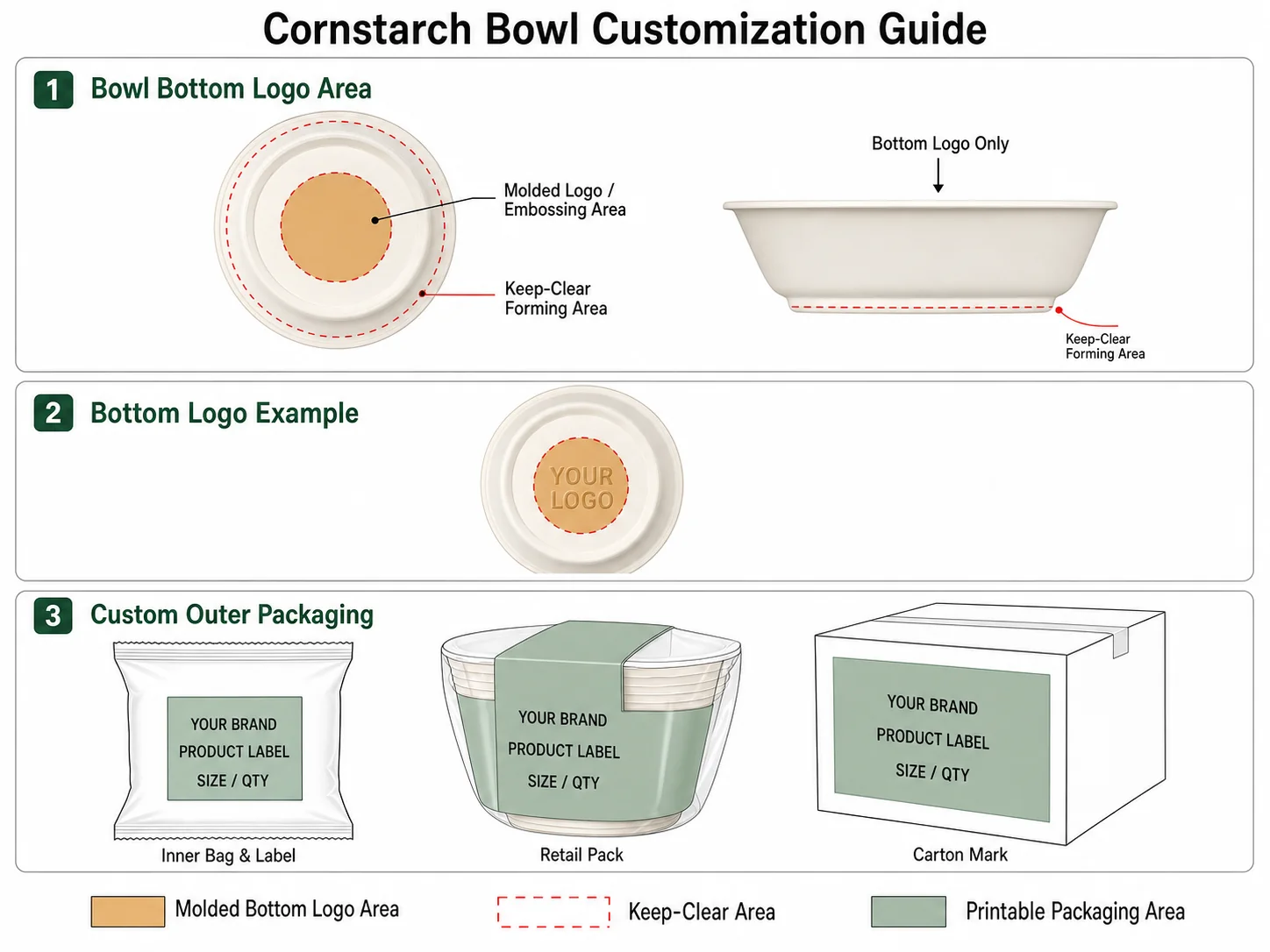
Cornstarch bowl orders start from 100,000 pieces per item. Ecoleaderpack supports a molded or embossed logo on the bowl bottom, together with custom inner bags, product labels, retail outer packs and export-carton marks. Non-standard capacities, dimensions or new molds require a separate tooling and production assessment before sampling.

The guide below separates the molded bottom-logo area from printable outer packaging. The center of the bowl bottom is used for the proposed logo or embossing, while the surrounding structural ring remains clear for forming and stability. Final logo size, position and depth are confirmed against the selected bowl mold before sampling.

Custom areaAvailable options
Bowl capacity and dimensionsExisting 200, 400 and 960 ml formats or project-based dimensional review
Bottom logo or embossingMolded or embossed logo centered on the bowl bottom; size, depth and position reviewed against the mold
Inner and retail packingPrinted inner bags, product labels, retail outer packs, barcodes and market-language text
Export cartonsCarton quantity, printed carton artwork, carton labels and shipping marks
Cornstarch tableware OEM private label and packing options

Send the bowl capacity, quantity for each size, food application, required fill volume, inner-pack count, destination and vector artwork. Ecoleaderpack will separate existing-item changes from requests requiring a new mold before confirming the sample and quotation basis.

Thermoforming Process for Cornstarch Bowls

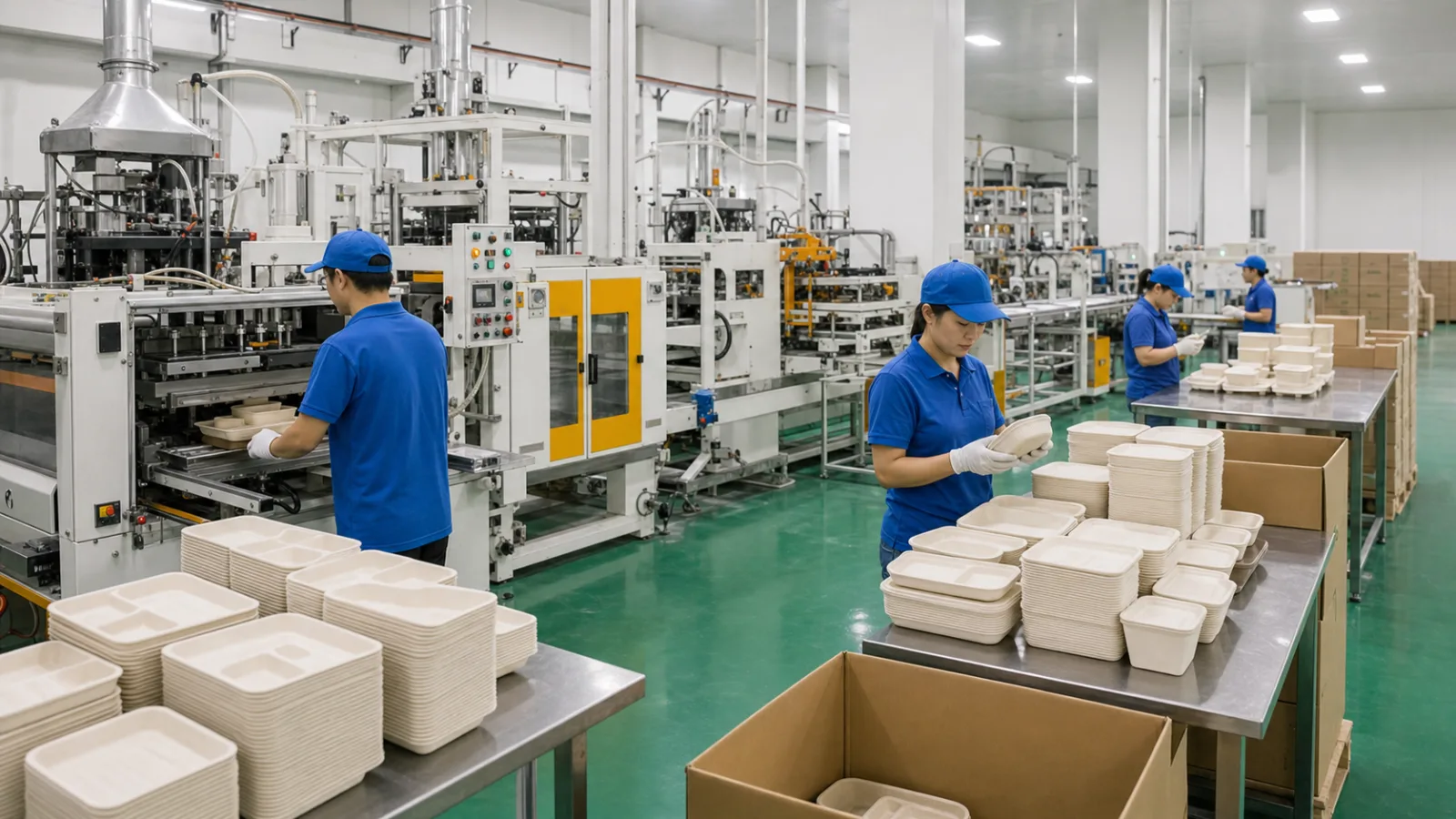
Cornstarch bowls follow a sheet extrusion and thermoforming route. Bowl molds use a deeper draw than plates, so the process focuses on wall distribution, rim definition, capacity and base stability.

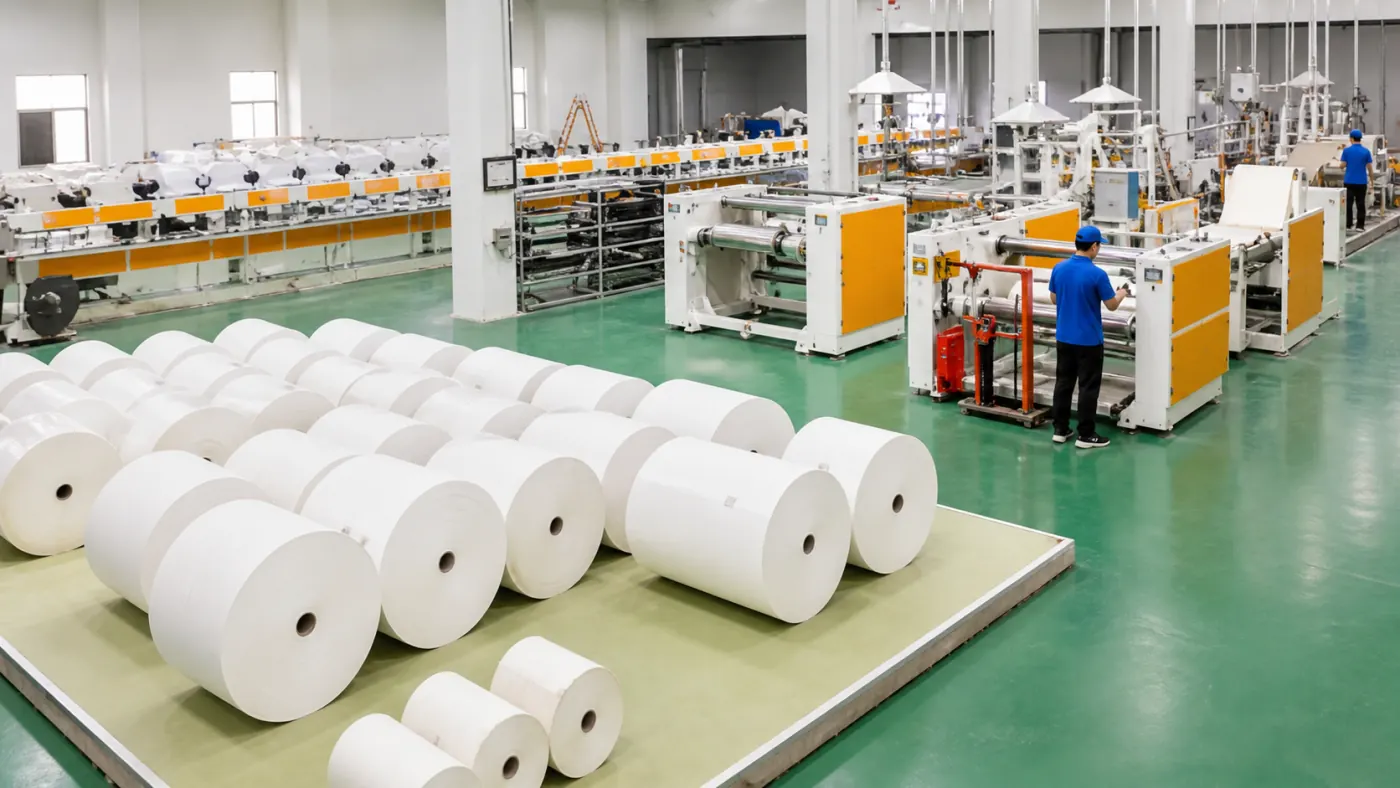
Cornstarch-based material preparation workshop

1. Cornstarch-Based Material Preparation

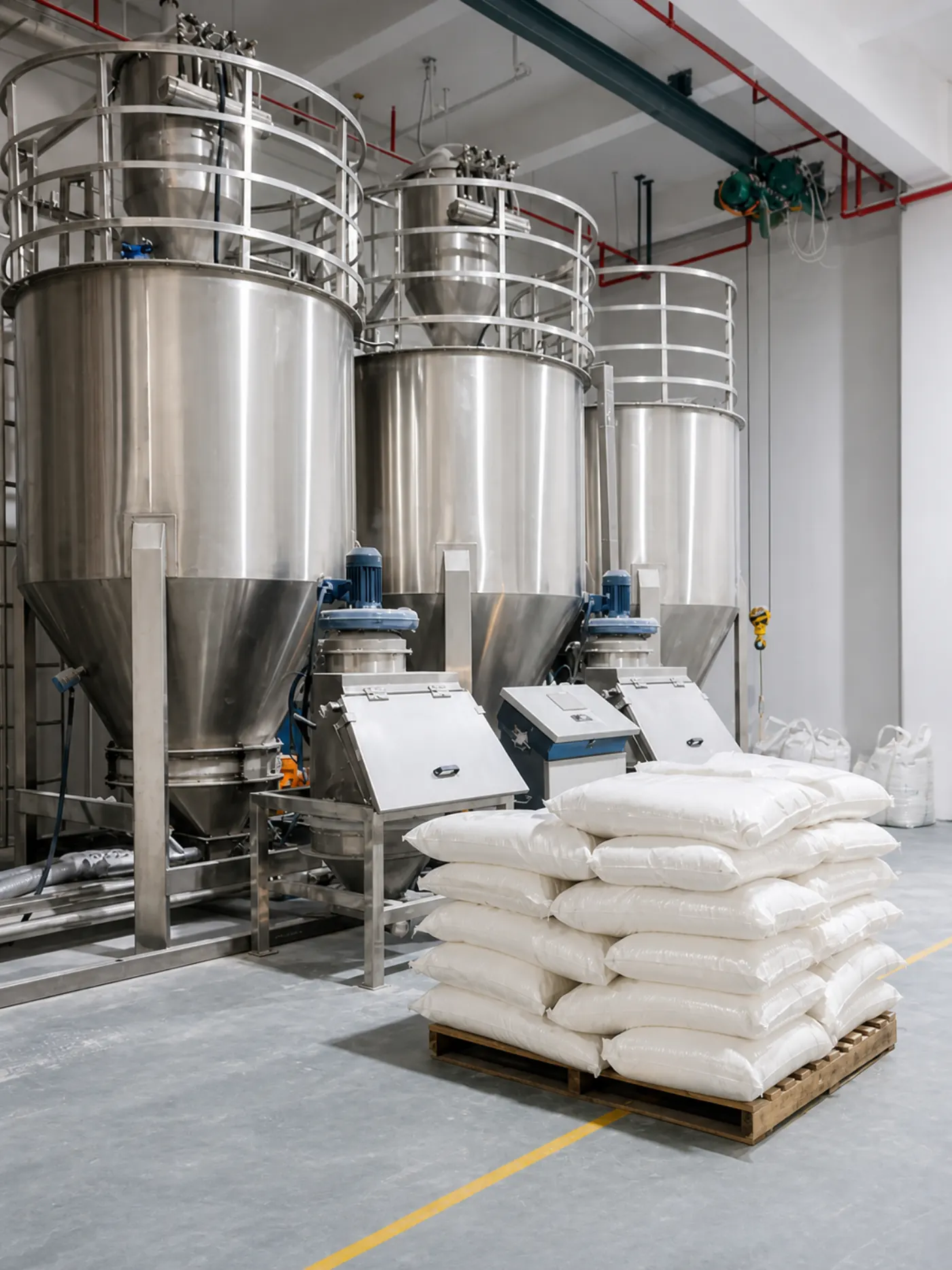
The approved masterbatch is dried, blended and prepared for stable sheet production. Material lot, color and formulation are checked before extrusion.

Cornstarch sheet extrusion workshop

2. Sheet Extrusion

The prepared material is extruded into sheet or roll stock. Sheet gauge and surface consistency are controlled because they influence bowl weight, wall distribution and finished appearance.

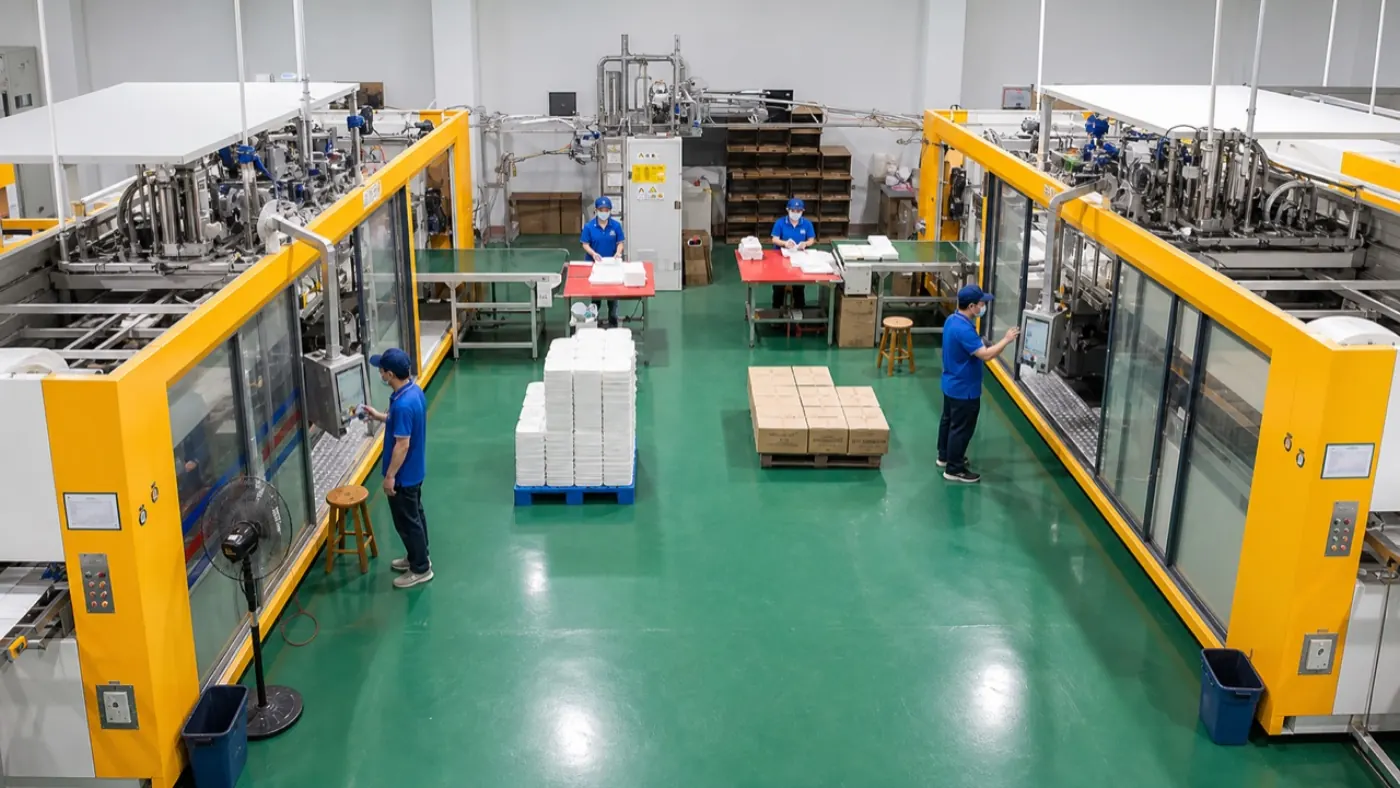
Cornstarch bowls formed on a thermoforming line

3. Deep-Draw Thermoforming and Trimming

Heated sheet is drawn into the selected bowl mold and trimmed to the approved profile. Checks focus on capacity, diameter, height, rim shape, wall consistency and base formation.

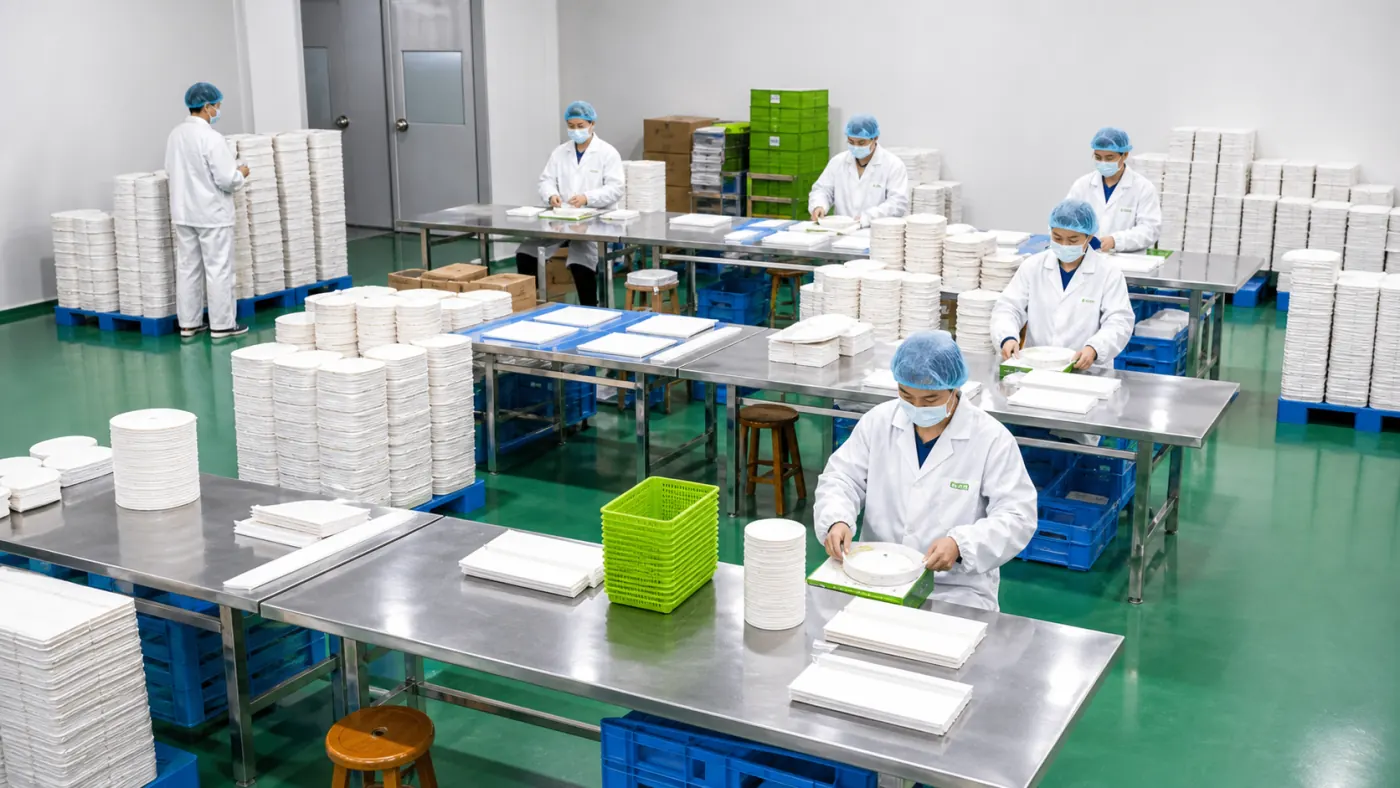
Cornstarch bowl inspection and packing workshop

4. Inspection, Nesting and Packing

Approved bowls are inspected, counted, nested and packed for foodservice or retail supply. Unit weight, appearance, stack height, separation and export-carton protection are checked against the approved sample and packing specification.

StageWhat happensBowl-specific check
Material preparationApproved cornstarch-based masterbatch is dried and prepared for sheet productionMaterial lot, color and approved formulation
Sheet extrusionMaterial is converted into sheet or roll stock with controlled thicknessGauge and surface consistency
Deep-draw thermoformingHeated sheet is formed in the selected bowl moldCapacity, wall distribution, rim shape and base formation
Trimming and inspectionBowls are trimmed and checked against the approved sampleEdge finish, unit weight, base stability and stacking
PackingApproved bowls are counted, nested and protected in export cartonsInner-pack count, stack height and carton protection

Clean Scrap Recovery

Clean edge trim, forming skeletons and off-spec bowls are segregated for controlled reprocessing or qualified recycling where technically suitable. Contaminated and non-reprocessable residues follow separate handling requirements.

Route references: CN113308028A, the NatureWorks extrusion and thermoforming route and the US EPA materials management hierarchy. Actual process settings follow the approved bowl specification.

Quality Control for Wholesale Bowl Orders

Quality Control for Wholesale Bowl Orders

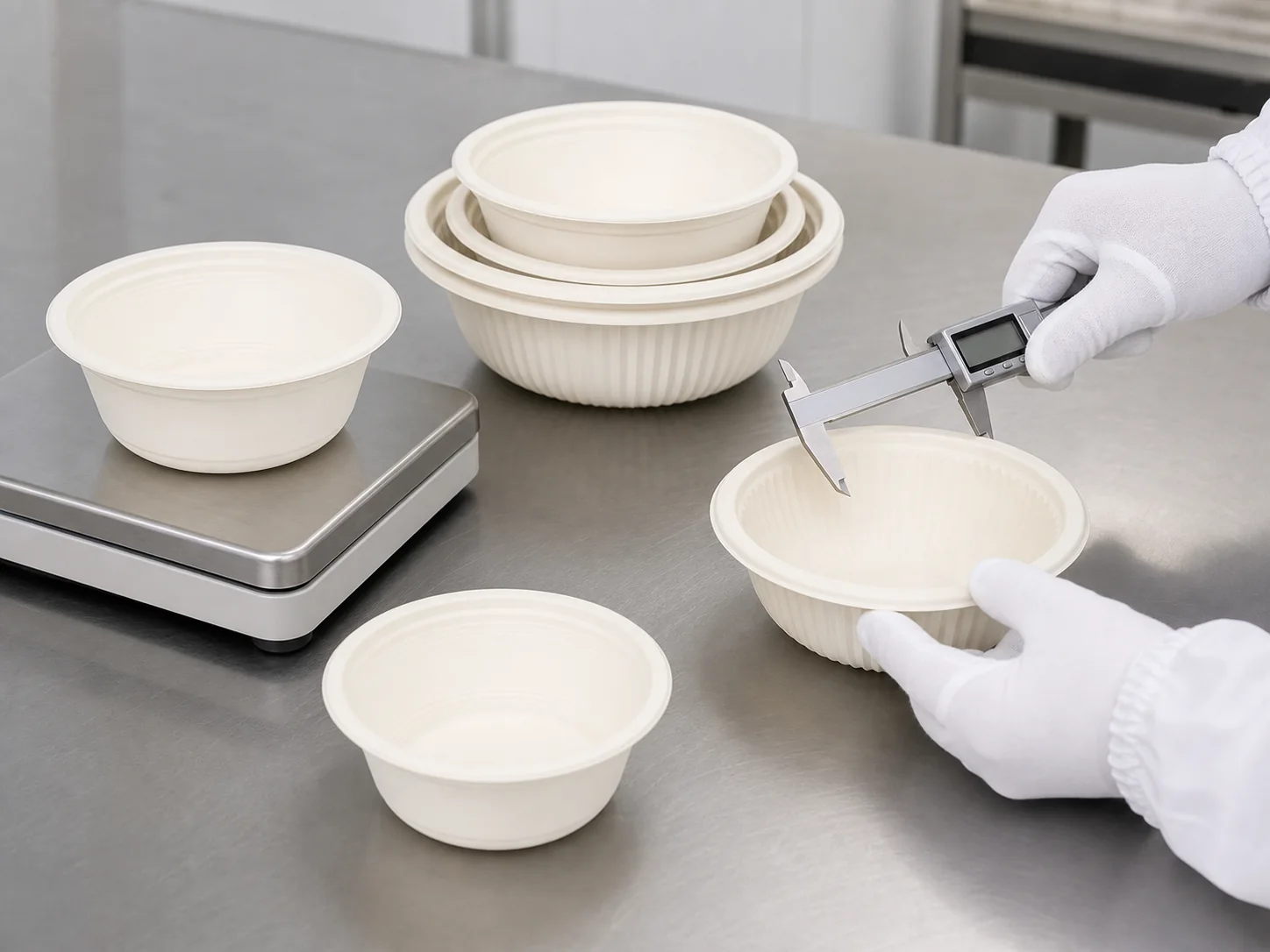
For each production batch, inspectors compare sampled bowls with the approved specification and reference sample. Diameter and height are measured, unit weight is checked against tolerance, and the bowl is placed on a flat surface to identify rocking or base distortion. The rim and trimmed edges are reviewed, then several bowls are nested to confirm stack alignment and clean separation during service.

Before packing release, representative bowls can be filled with the buyer's food or an agreed test load to check rim handling, sidewall movement, base stability and the effect of oil, moisture and holding time. Where soup, lids or transport are involved, the agreed filling temperature, closure and movement test should be included. Approved bowls are counted into the specified inner packs and cartons, with bag sealing, carton quantity and stack protection checked before shipment.

Quality-control stepInspection method
1. Size and weightMeasure outside diameter and height; weigh sampled bowls
2. Rim and baseInspect trimmed edges, place the bowl on a flat surface and check base stability
3. Portion testAdd the intended food load and check headspace, wall movement and carrying
4. Stacking and separationNest several bowls and confirm stack alignment and clean separation
5. Packing releaseVerify inner-pack count, bag seal, carton count and stack protection

Commercial Applications for Disposable Cornstarch Bowls

Restaurants and Takeaway Counters

The 400 ml bowl covers common individual portions of rice, noodles, salad and prepared food, while the 960 ml bowl provides more room for large salads and full meals.

Catering, Events and Canteens

The 200 ml bowl supports desserts, sauces and side portions. Buyers can combine several capacities for organized meal service after each selected size meets its applicable MOQ.

Dessert and Portion-Control Programs

Compact bowls help standardize yogurt, fruit, tasting samples, condiments and measured side dishes in catering, institutional and retail programs.

Retail and Distributor Programs

The three-size range can be packed for foodservice supply or reviewed for retail packs, private-label requirements and mixed-product distributor shipments.

Why Choose Ecoleaderpack for Cornstarch Bowl Supply

Ecoleaderpack supports wholesale cornstarch bowl programs with a defined three-size range, production-based quality checks, private-label options and item-level order planning. Each quotation is prepared around the selected capacity, quantity, food application, packing and destination requirements.

200 ml 400 ml and 960 ml cornstarch bowl specifications

Defined Bowl Specifications for Wholesale Buying

The 200, 400 and 960 ml cornstarch bowls are supplied with stated dimensions, unit weights and carton quantities. Importers, distributors and foodservice suppliers can compare portion fit, storage and loading requirements before approving the final sample.

Cornstarch tableware production and quality control

Production and Batch Quality Control

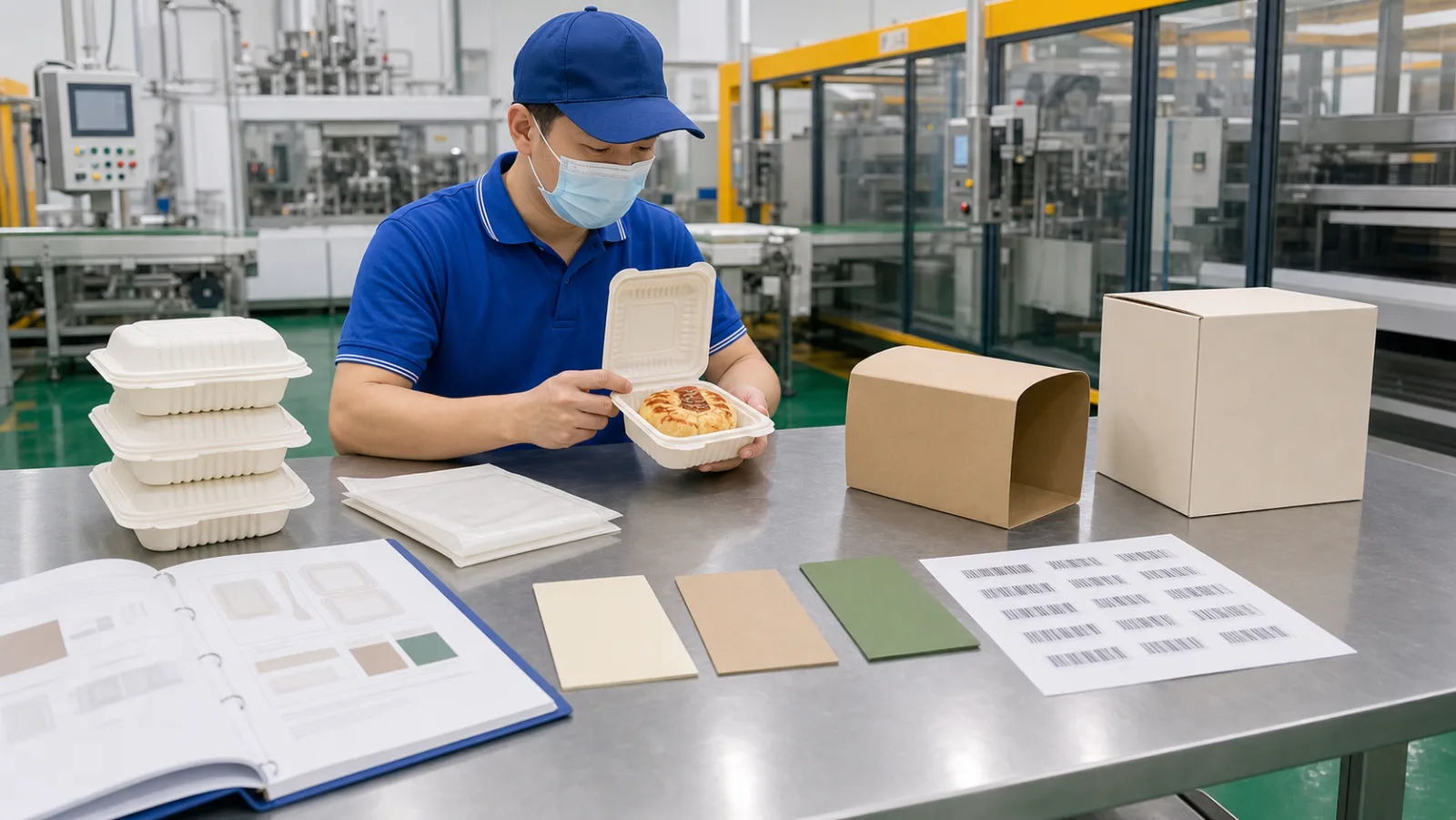
Bowl diameter, height, unit weight, rim finish, base stability, nesting and separation are checked against the approved specification and reference sample. Food-load, closure or transport tests can be included when the application and test conditions are agreed before production.

Cornstarch bowl bottom logo and private-label packaging options

Molded Logo and Private-Label Packaging

Ecoleaderpack supports a molded or embossed logo on the bowl bottom, together with custom inner bags, product labels, retail outer packs, barcode or market-language text, export-carton artwork and shipping marks.

Cornstarch tableware OEM private-label and export packing

Wholesale Order and Mixed-Product Coordination

Orders start from 100,000 pieces per item. Multi-size bowl programs and matching cornstarch cups, cornstarch plates or cornstarch cutlery can be quoted item by item so quantities, packing, carton requirements and loading are reviewed separately.

Cornstarch Bowl Wholesale FAQ

The current range includes 200, 400 and 960 ml bowls. Their diameters are 115, 130 and 200 mm, with heights of 45, 55 and 60 mm respectively.

Match Bowl Capacity to Your Foodservice Menu

Send the bowl capacity, quantity per size, food load, filling temperature, packing format and destination. Ecoleaderpack will identify the closest existing bowl, confirm whether a sample is required and prepare the quotation on that specification.

Request a Wholesale Cornstarch Bowl Quote

Send the bowl sizes, quantity per item, destination and any lid, packing or branding requirements. Ecoleaderpack will review the closest available formats and prepare the quotation on the confirmed specification.